The January Fly Box for Catskills Trout
By My Custom FlyBox Team
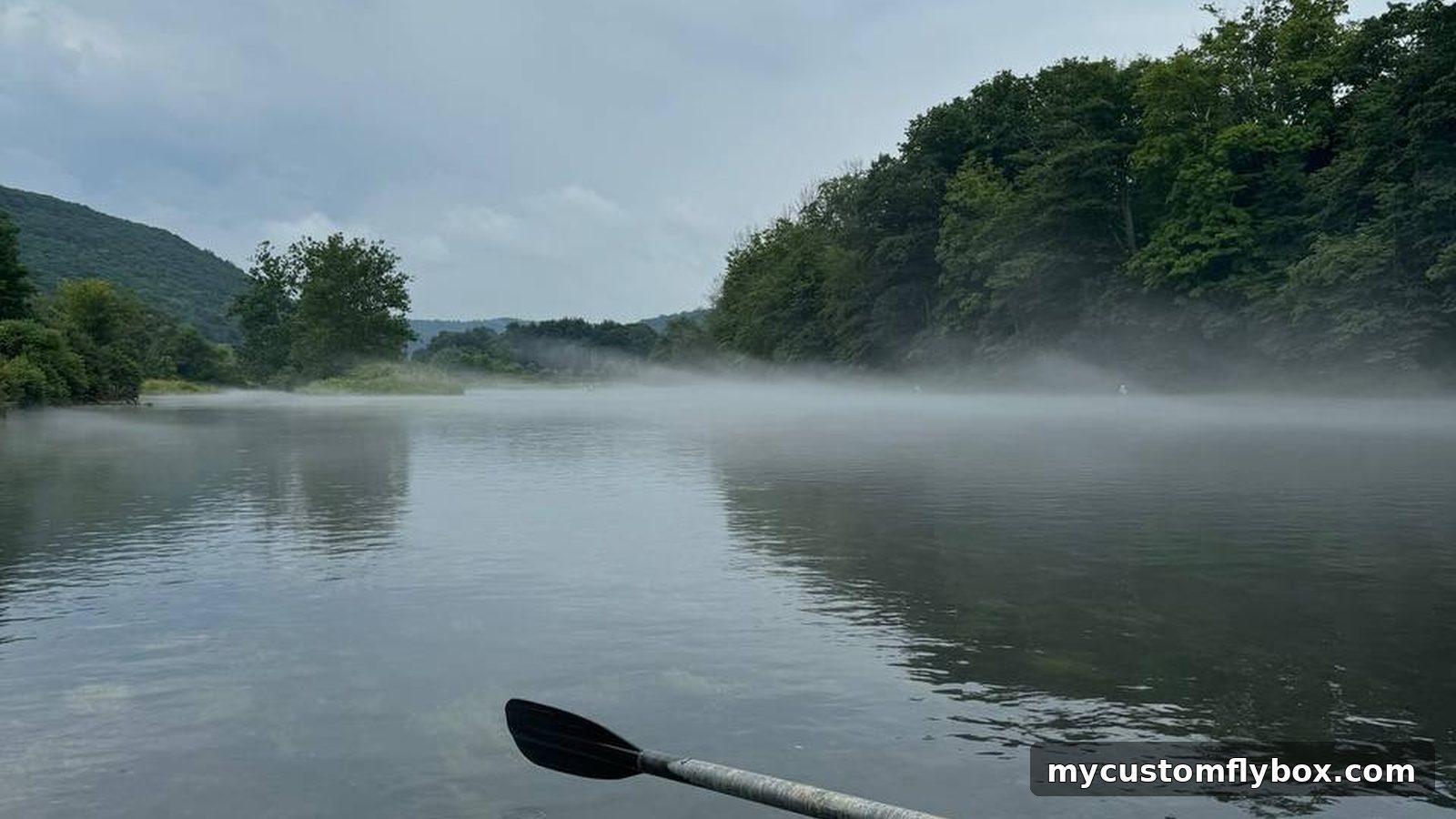
The January Fly Box for Catskills Trout
January trout fishing in the Catskills is a small-window game. The rivers are cold, the banks can be icy, and a good day may come down to one slow seam that has just enough depth, current, and insect drift to make trout feed. You are not packing for a full hatch chart. You are packing for cold fingers, short daylight, clear water, and fish that will not move far for a meal.
A January box should be simple, but it should not be careless. Midges matter. Small mayfly nymphs matter. A few caddis larvae, tiny olives, dark stones, and small streamers have a place. The mistake is carrying too much spring optimism and not enough winter practicality.
On the Beaverkill and Willowemoc, January often means freestone water that changes quickly with thaw, rain, snowmelt, and overnight freeze. On the West Branch Delaware and nearby tailwater-influenced reaches, cold releases and steadier flows can create more consistent fishing, but the trout may be picky and the wading can still be serious. Check the current Beaverkill and Willowemoc fly fishing report and West Branch Delaware fly fishing report before you decide where the box is going.
January River Checks
Open the gauge before you open the fly box. In January, a river that looks moderate on paper can still be dangerous because of shelf ice, snow-covered banks, numb legs, and short light. A low river can also be more technical than pleasant if the water is gin clear and every trout is sitting in the slowest part of the pool.
Start with flow trend. Stable or slowly falling water is usually easier to plan around than hard-rising water. A mild thaw can add color and bring a short streamer or nymph window. A warm rain on snow can turn a familiar crossing into a bad decision. Read the graph as a story, not just a single number. For a deeper routine, use the same approach described in How to Read a USGS Gauge Before You Go Trout Fishing.
Then look for temperature context. Winter water can be cold enough that trout feed only in short periods, but a few degrees of daytime improvement can matter. The best window is often late morning through midafternoon, when the valley has had time to warm and small insects may move. Do not expect much from the first cold hour after sunrise unless the night stayed unusually mild.
Regulations belong in the same check. New York inland trout stream rules vary by reach and management category. Many reaches have October 16 through March 31 catch-and-release, artificial-lures-only rules, while some special-regulation reaches have year-round catch-and-release rules. Confirm the exact reach before fishing instead of assuming the sign at one access applies to the next pool.
Winter Holding Water
January trout hold where they can save energy. That usually means walking-speed current, steady depth, nearby cover, and a feeding lane close enough that they can eat without chasing. The best water may look plain if you are used to spring riffles.
On a Catskills freestone, start with the soft edge below a riffle, the inside seam of a bend, the cushion beside a submerged rock, or the deeper side of a pool head. Avoid charging through shallow tailouts to reach the middle. Winter trout often slide into quiet edges that summer anglers walk past.
On the West Branch Delaware, think about tailwater pace and depth. Broad slicks, soft seams, and slow banks can hold fish, but clean presentation matters. A fly that drags six inches in January might as well be a stick. Stay low, lengthen the leader when needed, and cast from a position that lets the fly drift before the leader crosses conflicting current.
Do not make winter trout chase unless the river gives you a reason. If you are nymphing, get the fly down and slow the drift. If you are fishing a streamer, fish the pause and the swing instead of ripping line through water where trout are barely willing to move.
The Midge Row
Midges are the first row in a January Catskills box. They are small, available in cold water, and often the only visible hatch on a slow winter day. A few tiny insects in the air do not always mean a dry-fly session, but they do tell you the trout have a reason to look at small food.
Carry Zebra Midges in black, olive, and red in sizes 18 through 22. Add a few slim thread midges, small black larvae, and silver-ribbed versions for clear tailwater water. Tungsten beads help when you need depth, but unweighted or lightly weighted midges are useful in soft glides where a heavy fly drops below the feeding lane too fast.
For emergers, keep RS2s, WD-40s, Top Secret Midges, and small CDC midge emergers in sizes 20 through 24. These are not easy flies to handle in wind or cold. They earn their place because winter trout often feed just under the film, especially on slow pools and tailwater slicks.
A Griffith's Gnat in sizes 18 through 22 is worth carrying for the rare surface window. It can suggest a small cluster of midges and is easier to see than many single adult patterns. If you cannot track it, use a slightly larger visible dry and trail the tiny emerger behind it. Keep the dropper short enough that you can still control drag.
Small Nymphs
A January nymph row should be narrow and dependable. Most trout food is below the surface, and most winter takes are quiet. You need flies that drift naturally, sink to the right depth, and do not look out of place in clear water.
Carry Pheasant Tails in sizes 16 through 22. A bead-head size 16 or 18 can work as the upper or point fly in broken current. A slimmer size 20 or 22 belongs in clear, slow water where fish are feeding on tiny mayfly nymphs or ignoring larger food. Olive and natural pheasant tones cover a lot of winter work.
Hare's Ears in sizes 14 through 18 still deserve room. They suggest mayfly nymphs, small caddis, and general bottom life without being too exact. In light stain, a Hare's Ear can be more visible than a thread midge without looking gaudy.
Add Walt's Worms, caddis larvae, and simple guide-style nymphs in sizes 14 through 18. Cream, tan, olive, and gray cover most needs. These patterns are good point flies because they sink cleanly and do not require a long explanation. On the Beaverkill and Willowemoc, a Walt's Worm with a smaller Pheasant Tail or midge below it is a sensible starting rig when nothing is rising.
Small stoneflies belong in the corner of the box. Carry dark stonefly nymphs in sizes 8 through 12 for higher water, deeper banks, and stained edges. They are not the answer every January day, but they can matter after a bump in flow or in rougher pocket water where a tiny fly never gets noticed.
Tiny Olives and Soft Hackles
Blue-winged olives can show in cold months when the weather is damp, gray, and steady. January olives are usually small. Think sizes 18 through 22, with sparse bodies and low profiles. A parachute olive is easier to see in broken water. A CDC comparadun or emerger is better on flat water when trout are taking low in the film.
Soft hackles are useful because they fish the in-between water. A small olive soft hackle, starling-and-herl, or partridge-and-olive in sizes 16 through 20 can cover emerging olives, drowned adults, and small general food. Swing one through the lower half of a riffle or drift it under a dry in soft water.
Do not overwork the swing. In January, a slow lift at the end of the drift is often enough. Trout may take when the fly rises slightly, but they usually do not want a fast skating presentation. Keep your rod angle low enough to control the line and high enough to stay off ice-edged rocks.
Streamers for Thaw and Stain
A few streamers should ride in the January box, but they should not take over. Cold trout can still eat a bigger fly, especially brown trout, but the setup has to match the river. Streamers are best when the water has a little stain, the sky is low, the flow has bumped without becoming unsafe, or you can fish deep banks without wading hard.
Carry black and olive Woolly Buggers in sizes 6 through 10. Add one small sculpin, one thin marabou streamer, and one white or natural baitfish pattern. That is enough for most Catskills winter trout work. Huge articulated flies can catch fish, but they can also be more trouble than they are worth when guides freeze and trout are holding tight.
Fish streamers slowly. Cast across and slightly downstream, mend to slow the swing, and let the fly hang beside the bank, ledge, or submerged wood. In a pool, short strips with long pauses often beat constant motion. If you feel one bump and miss the fish, send the fly back through the same lane before changing patterns.
A Practical January Box
The goal is coverage, not clutter. A January fly box should let you answer three questions: can I get down, can I match tiny food, and can I show a slightly larger meal when the water has color.
| Category | Patterns | Sizes | |---|---|---| | Midge larvae | Zebra Midge, black thread midge, red midge | 18-22 | | Midge emergers | RS2, WD-40, Top Secret Midge, CDC midge | 20-24 | | Small mayfly nymphs | Pheasant Tail, Baetis nymph, Hare's Ear | 16-22 | | Caddis and guide nymphs | Walt's Worm, caddis larva, caddis pupa | 14-18 | | Stoneflies | Dark stonefly, small Pat's Rubber Legs | 8-12 | | Tiny dries | Griffith's Gnat, BWO parachute, CDC olive | 18-24 | | Soft hackles | Partridge-and-olive, starling-and-herl | 16-20 | | Streamers | Woolly Bugger, small sculpin, marabou streamer | 6-10 |
Bring duplicates of the flies you lose or mangle: midges, small nymphs, and one or two point flies. Leave the crowded dry-fly rows at home unless the weather suggests olives. A lean box is easier to manage when your hands are cold and a fly change takes longer than it should.
If you use the My Custom FlyBox app to organize seasonal boxes, make a January Catskills list separate from your spring or summer river box. That keeps the selection honest. You can track what you actually used, what you lost, and which sizes need to be tied before the next stable weather window. For a broader box system, see How to Create a Fly Box: Organization for Trout Streams and How to Build a River-Specific Fly Box.
Rigging and Tippet
Most January nymph rigs should be built for control. A long sloppy rig that catches every current is worse than a shorter rig you can place accurately. Use enough weight to reach the lane, then stop adding weight once the flies tick bottom now and then. If every drift hangs, you are below the fish or dragging through the wrong water.
For small nymphs and midges, 5X and 6X cover most situations. On clear tailwater flats or very small dries, 6X or 7X may be useful if you can land fish quickly and handle them cleanly. Do not use light tippet as a substitute for a better angle. Move your feet before you blame the spool.
A two-fly setup can be simple: a size 14 or 16 Walt's Worm or Hare's Ear as the point fly, with a size 18 to 22 Pheasant Tail, Zebra Midge, or RS2 below it. In very clear slow water, drop the heavy point fly and fish one small nymph or emerger cleanly. For more detail on matching tippet to method and water, use How to Choose Tippet Size for Trout Fishing.
Fish Handling and Wading Safety
January safety is part of the fishing plan. Cold water takes strength fast. Ice on ledges and shelves can turn a simple step into a fall. If the route in requires crossing water, make sure the route out will still be safe when your legs are cold and the light is fading.
Wear a wading belt. Use traction where legal and practical. Carry a staff on ledge-rock water and snowy banks. Keep one pair of gloves dry. Avoid standing on shelf ice, even if it looks thick near shore. Fish from the bank when the bank gives you the drift.
Handle trout quickly. Keep them wet, unhook them in the net, and skip snow-bank photos. Cold air can be hard on gills and eyes even when the water temperature itself is safe. If an unusual warm spell pushes freestone temperatures up later in winter, reread Water Temperature and Trout: When to Stop Fishing before assuming January means every trout can handle pressure.
Choosing the Day
The best January day is usually stable. Look for a river that is not rising hard, a forecast without heavy wind, and a midday window with enough warmth to move insects. Cloud cover can help tiny olives. A little stain can help a streamer. Bright sun after a hard freeze may make the water beautiful and nearly lifeless until later in the day.
Have a Plan B before you leave. If the Beaverkill is locked in ice or rising from thaw, maybe the day is better spent checking a tailwater section, tying midges, or scouting access for spring. If the West Branch is too high or wind makes long leaders impractical, do not force it. January trout fishing rewards the angler who can wait for the right two-hour window.
The box should match that attitude. Small midges, slim nymphs, a few olives, a few soft hackles, and a handful of small streamers are enough. Fish them carefully, keep the wading conservative, and let the river tell you whether the day deserves another hour.
References
- NYSDEC Inland Trout Stream Special Regulations for current New York trout-stream seasons, reach categories, and catch-and-release/artificial-lures-only rules.
- NYSDEC Fly Fishing the Catskills for Catskills trout-water background, major rivers, public-land context, and historic hatch information.
- USGS Water Temperature and Thermal Stress for background on why water temperature affects cold-water fish.