Water Temperature and Trout: When to Stop Fishing
By My Custom FlyBox Guide
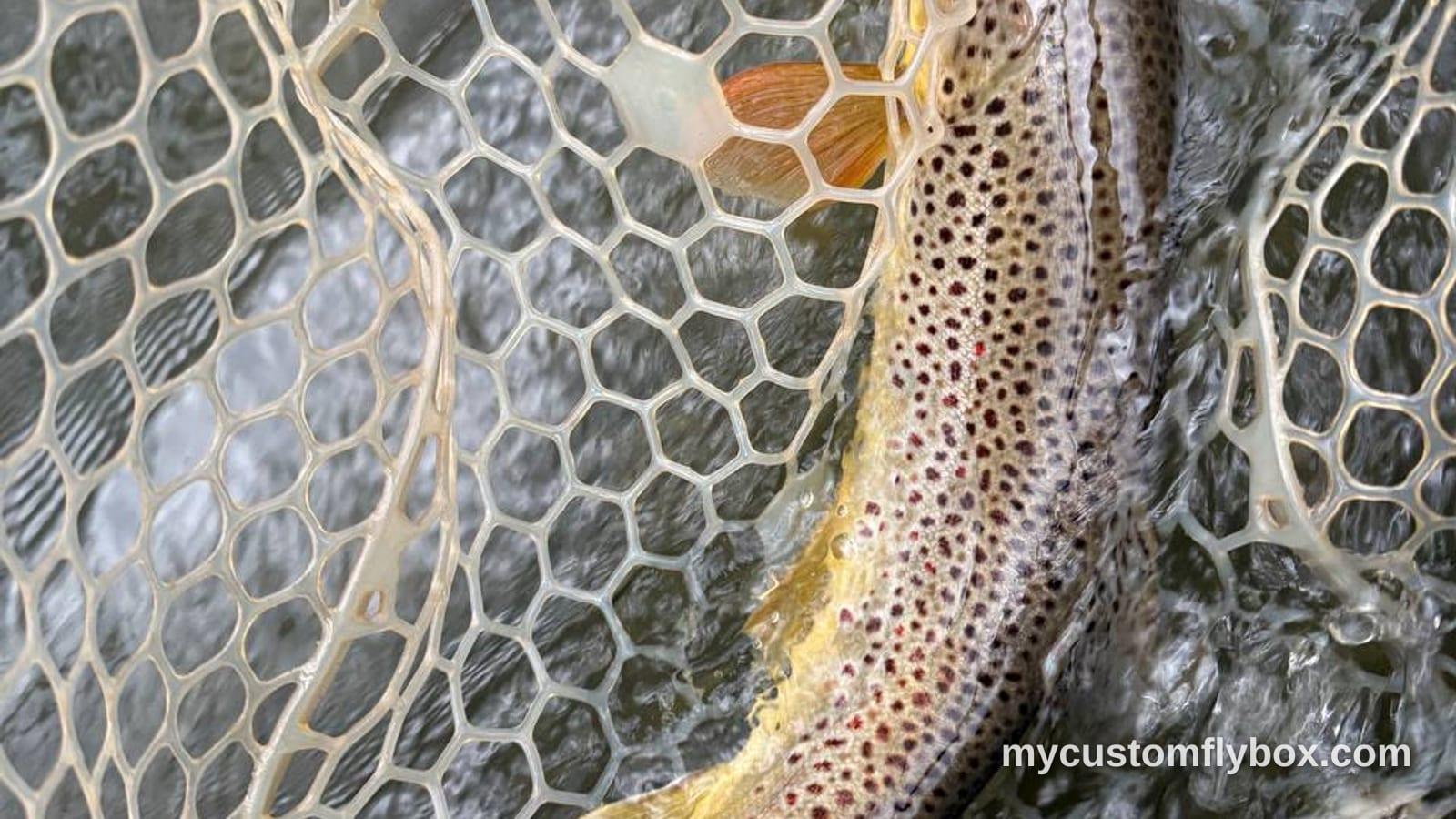
Water Temperature and Trout: When to Stop Fishing
Warm water is one of the most important trout-fishing limits an angler can check. A stream can have clear riffles, evening shade, and visible caddis activity while the water is already too warm for responsible catch-and-release trout fishing. When that happens, the right move is colder water, warmwater fish, or a different plan for the day.
Trout are cold-water fish. As water warms, it holds less dissolved oxygen. Trout also burn energy faster in warmer water, so the stress from being hooked, fought, handled, and released increases. A fish that swims away after release may still be stressed enough to die later.
Most trout anglers check flows before a trip. Water temperature deserves the same habit. On freestone streams such as the Beaverkill and Willowemoc, a cool morning can turn into a poor afternoon. On tailwaters such as the West Branch Delaware, temperature can help you choose the section and avoid warmer downstream water.
This is the same safety decision we want anglers making when they read our fly fishing reports. A report helps with planning. A stream thermometer gives the reading at your feet.
Temperature Limit
For catch-and-release trout fishing, use 68 F as a caution line. When water approaches 68 F, start looking for a colder option. At 68 F and above, stop targeting trout unless a specific local regulation, agency recommendation, or cold-water situation clearly supports continued fishing.
The number is a practical decision point. A wild brown trout in a spring-influenced pool, a stocked rainbow in marginal water, and a brook trout in a shaded tributary will respond differently. Temperature also changes by section, time of day, shade, groundwater, flow, and recent weather. The value of 68 F is that it gives anglers a clear limit before conditions become a fish-care problem.
Do not wait for trout to roll over, revive slowly, or fight weakly. Check the temperature before rigging. Check again as the sun gets higher. Stop while the fishing still looks good if the water is reaching the limit.
A compact alcohol or digital stream thermometer is enough. Take the reading in moving water where trout are holding, not in a sun-warmed puddle along the bank. Give the thermometer time to settle. During summer sessions, check again every hour or when you move to a different section.
Trout Stress
Warm water creates two problems at once. It holds less oxygen, and trout need more oxygen as their metabolism rises. That combination is why a trout can fight hard and still struggle after release.
The highest stress often happens after the hookset. Long fights on light tippet, dry hands, extended air exposure, and repeated photo attempts add pressure to fish that already have less recovery room. Those handling habits matter in cold water too, but warm water leaves less margin.
Small temperature differences matter. Water at 64 F is a different trout-fishing situation than water at 69 F. A shaded spring creek at 62 F may fish responsibly through the afternoon. A low freestone stream that starts at 66 F at breakfast may be finished by lunch. A deep tailwater may stay cold close to the dam and warm downstream where the river spreads, slows, and takes more sun.
When conditions are near the limit, switch plans. Smallmouth bass, carp, panfish, and saltwater species can make a hot trout day useful without adding pressure to stressed trout.
Daily Timing
Summer trout fishing often belongs to the morning. Overnight air can cool the valley, riffles can add oxygen, and water temperature may drop into a safer range before sunrise. That early window can be worth planning around on Catskill freestones and smaller brook trout water.
A good morning does not make the full day safe. If the stream is 62 F at 6:30 a.m. and 67 F at 10:30 a.m., the stop time may arrive before the hatch improves. Low light and bugs can bring trout up while the water is already too warm for responsible fishing.
Check the thermometer when you see these signs:
- Warm water around your legs
- Trout stacked near cold tributary mouths or spring seeps
- Weak fights or slow recovery
- Heavy algae in low, clear water
- Hot, still, humid afternoon air
- Missed thunderstorms that left the valley dry
Rising fish do not prove safe conditions. Use the thermometer before you keep fishing.
Water Type
Temperature decisions get easier when you understand the water type.
Tailwaters are rivers below dams. Depending on release depth, reservoir structure, and distance from the dam, they can stay colder than nearby freestones in summer. The West Branch Delaware is a river where release temperature and section matter. One reach may be comfortable while another downstream reach is marginal.
Freestones rise and fall with rain, air temperature, and groundwater. The Beaverkill and Willowemoc are classic summer examples. A cool night, shade, and a little extra flow can support a morning. Hot nights and low water can remove the recovery period trout need.
Spring creeks and spring-influenced reaches can stay cooler and more stable. They still need a thermometer check. Weed growth, spooky fish, and fine leaders may shape the fishing, but temperature still sets the fish-care limit.
Small brook trout streams need extra care. They may run cold, but they often have limited habitat and fish that can be pressured quickly. During warm spells, focus only on cold shaded water, keep fish wet, and move on when temperature climbs.
Temperature Reading
Take the reading in current. A shallow edge in full sun may read warmer than the main flow. A cold seep may read colder than the run where you are fishing. Put the thermometer in knee-deep moving water when it is safe, or at least in the same kind of current where trout are holding.
Let the thermometer settle. Digital thermometers respond quickly, but they still need a moment. Analog stream thermometers may take longer.
Check more than once. Temperature can change several degrees between first light and noon. It can also change below a tributary, after a long slow pool, or where the river leaves shade and runs through open pasture. If you drive to another access, check again.
Compare the stream reading with a gauge when one is available. Some United States Geological Survey gauges report water temperature with flow and gauge height. That is useful before you leave home, especially for tailwaters and freestones. The gauge may be miles from your access, so treat it as a planning source and use your thermometer at the river.
For a full gauge workflow, read our guide to reading a USGS gauge before trout fishing.
Fly Selection
Temperature affects fish care, trout location, and feeding behavior.
In colder water, especially in early spring, trout often hold near the bottom or in slower seams. Nymphs, small stoneflies, caddis larvae, and midges can be more effective than searching dries. A weighted Pheasant Tail, Hare's Ear, Walt's Worm, Pat's Rubber Legs, or small Zebra Midge can cover the water well. Fish the slower inside edge before wading through it.
In the comfortable middle range, trout have more room to feed. Mayfly and caddis activity can line up with good flows and active fish. On Catskill rivers in May and June, that can mean Hendricksons, March Browns, Sulphurs, Blue Winged Olives, and tan caddis depending on the water and weather. Carry dries and emergers in sizes 12 to 20, plus soft hackles and unweighted nymphs for fish feeding just below the film.
As water warms, trout may slide toward faster oxygenated riffles, shaded banks, cold tributary influence, and deeper lies. During a safe morning window, think about oxygen and cover. Fish shorter sessions. Use tippet strong enough to land trout quickly. Avoid tiny flies on very light tippet if that creates long fights.
If the water is already near the limit, a different fly is the wrong fix. Stop trout fishing and change plans.
Fish Handling
Good fish handling matters all year. It matters more when water is warm.
Use a rubber net. Keep trout in the water while removing the fly. Wet your hands before touching fish. Pinch barbs if you are not already fishing barbless. Keep forceps within reach. If a fly is deep and removal will do more damage, cut the tippet close.
Skip grip-and-grin photos when conditions are marginal. If you want a photo, keep the trout low over the net and out of the water for only a second or two. Better, photograph the fish in the net while it is still submerged.
Fight fish quickly. That means matching tippet and rod to the flies and fish. A size 14 dry on 5X usually lets you land a trout faster than a small fly on 7X. If the only way to get eats is tippet so light that each fish takes too long to land, the conditions may be telling you to quit.
Revive fish in gentle current. Point the fish into the flow and let it hold itself. Do not pump it back and forth. If it cannot stay upright, stop fishing.
Backup Plans
A good trout angler has a backup plan from late June through August, during drought, and after several warm nights in a row.
If trout water is too warm, consider:
- A colder legal tailwater section with room for responsible fishing
- Higher shaded tributaries with safe temperatures
- Smallmouth bass with streamers, poppers, and crayfish patterns
- Bluegill ponds with foam spiders and small nymphs
- Access scouting for the next cold front
- Fly tying for the next cool-water window
- A warmwater box in the My Custom FlyBox app
A river-specific fly box should reflect changing conditions. In summer, that may mean a trout box with small olives, terrestrials, ants, beetles, caddis, and soft hackles for cold mornings, plus a bass box with Clousers, Woolly Buggers, crayfish, sliders, and poppers for warm afternoons.
Trip Plan
Before you go, check the nearest gauge for flow trend and water temperature if it is available. Read the latest local report. Plan around the coolest responsible window.
At the river, take a temperature before rigging. If the water is safely cool, fish with a plan. If it is climbing toward the upper 60s, set a firm stop time and keep checking. If it reaches your limit, quit trout fishing.
Use this routine:
- Check the gauge before leaving home.
- Take a stream temperature before rigging.
- Fish the coolest responsible window.
- Land trout quickly and keep them wet.
- Recheck temperature as the day warms.
- Stop before trout are stressed.
- Keep a bass, panfish, or scouting plan ready.
References
- USGS Water Science School, "Temperature and Water": https://www.usgs.gov/water-science-school/science/temperature-and-water
- USGS, "Streamgaging Basics": https://www.usgs.gov/mission-areas/water-resources/science/streamgaging-basics
- National Park Service, Yellowstone fishing regulations and seasonal fishing information: https://www.nps.gov/yell/planyourvisit/fishing.htm