How to Choose Fly Size for Trout Fishing
By My Custom FlyBox Team
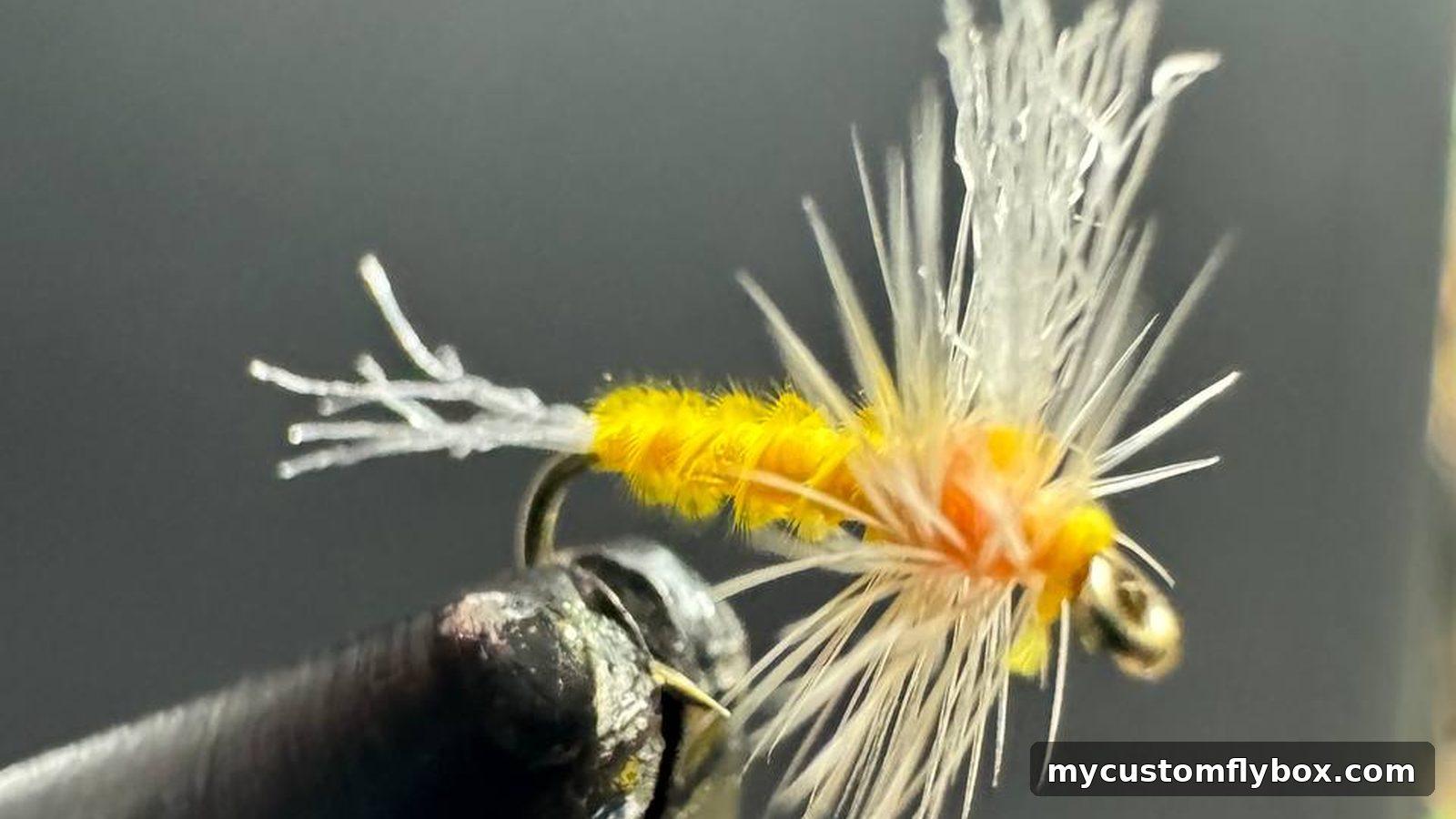
How to Choose Fly Size for Trout Fishing
Fly size is one of the first things trout anglers notice and one of the easiest things to overthink. A size 14 Adams, a size 18 Blue Winged Olive, and a size 8 Woolly Bugger all catch trout, but they do different jobs. The right size depends on what the fish are eating, where they are holding, how clear the water is, and how much room you have to make the fly behave naturally.
Start with this: size is not just about matching an insect. It is about matching the situation. A small fly can be wrong if it never reaches the fish. A large fly can be right if the water is broken, stained, or full of bigger food. A perfect hatch match can still fail if the drift is dragging across a flat pool.
This guide is written for trout anglers fishing Catskills freestones, the Upper Delaware tailwaters, Pennsylvania limestone streams, and similar water. It gives you a working way to choose sizes for dries, nymphs, emergers, terrestrials, and streamers without turning every fly change into a guessing game.
Food size
When trout are feeding on a visible hatch, fly size starts with the insect on the water. Catch one if you can do it without wrecking the pool. Let it drift near your boot or scoop it gently with your hand. Look at body length first, then profile. Wings, legs, hackle, and tails can make a fly look bigger than the hook size printed on the bin.
Mayflies on Catskills and Upper Delaware water give a clear example. Early-season Hendricksons often call for dries and emergers around size 12 to 14. Sulphurs often sit in the size 14 to 18 range depending on the water and part of the hatch. Blue Winged Olives can run from size 16 down to 22, with the smaller sizes common on damp, cool days and slow tailwater flats. Isonychias are larger and often fit size 10 to 12 dries, nymphs, or soft hackles.
Caddis are different because the silhouette can matter as much as exact length. A skittering tan caddis in size 14 may get eaten during an evening hatch even if the natural insect is a touch smaller. In fast riffles, trout often have less time to inspect the fly. In slow pools, a caddis that is two sizes too large can look clumsy and pull refusals.
Stoneflies are usually a bigger-water and bigger-meal decision. A size 8 stonefly nymph can make sense in heavy spring water or near rocky banks. A size 14 black stonefly can be a better pick on small freestones in late winter or early spring.
If you are not sure what is hatching, read How to Match the Hatch Without Overthinking It. The short version is to match size and behavior before you worry about exact Latin names.
Water speed
Water speed changes how exact you need to be. Slow water gives trout more time to inspect the fly. Fast water gives them a shorter look but can make drag, depth, and visibility harder to control.
On a flat pool on the West Branch Delaware, a trout sipping small olives may refuse a size 16 dry that would fool fish all day in a broken Catskills riffle. In that water, dropping to size 18 or 20 can help, but only if you can still make a clean drift. Fine tippet, longer leaders, and careful reach casts often matter as much as the smaller fly.
In pocket water, a fly can be a little larger because the trout must decide quickly. A size 12 Parachute Adams, Stimulator, or Elk Hair Caddis can work as a searching dry where a size 16 would disappear in the chop. The larger fly also floats better around plunge currents, seams, and foam pockets.
For nymphs, choose a size that can reach the feeding lane. A size 18 Pheasant Tail may be perfect during a Baetis hatch, but if it rides above the fish in a fast run, it is not fishing. Add weight, use a tungsten bead, or step up to a size 14 or 16 pattern with the same general color and shape.
For current conditions on New York water, check the West Branch Delaware fly fishing report and the Beaverkill and Willowemoc fly fishing report before deciding whether you need small technical dries, heavier nymphs, or larger searching patterns.
Season and hatch stage
A hatch changes size decisions through the day. Before the hatch, trout may eat nymphs or emergers below the surface. During the hatch, they may key on duns, cripples, emergers, or stillborn insects. After the hatch, they may switch to spinners.
In May on Catskills water, a fly box should carry more than one size for the same general insect. Hendricksons, March Browns, caddis, and early Sulphurs can overlap depending on river, weather, and elevation. A good May box might hold size 12 and 14 Hendrickson dries, size 14 and 16 soft hackles, size 14 to 18 caddis, and a few larger March Brown or Gray Fox patterns. The exact mix changes by water. The principle stays the same: carry sizes around the hatch, not just one named pattern. For a fuller seasonal list, read The May Fly Box for Catskills Trout.
June often pushes anglers toward Sulphurs, caddis, olives, and evening spinner falls. July and August add terrestrials and small olives, but water temperature has to come first. If the water is near or above 68 F, especially late in the day, leave the trout alone or move to colder water where fishing is legal and appropriate. For the full warm-water routine, read Water Temperature and Trout: When to Stop Fishing.
Nymph sizes
Nymph size has to solve two problems: it has to look edible, and it has to fish at the right depth. Trout eat small nymphs all year, but small nymphs are light unless they are tied with dense beads or slim tungsten bodies. In deeper or faster water, a tiny unweighted nymph may never reach the fish.
Use the natural as the starting point, then adjust for depth. If trout are eating small mayfly nymphs, a size 16 or 18 Pheasant Tail, Walt's Worm, or Perdigon may fit. If the run is deep and moving, use a tungsten bead, add a split shot where legal, or trail the small fly behind a heavier anchor fly.
In high spring water, trout often hold near banks, behind rocks, and along softer inside seams. Larger nymphs in size 8 to 12 can make sense because they are visible and sink well. In low clear water, go smaller and cleaner. Size 18 to 22 midges, small olives, zebra midges, and slim mayfly nymphs can keep you in the game, but only if the rig lands quietly.
Do not let small nymphs become a reflex. If you are not ticking bottom, not seeing fish move, and not getting drifts in the lane, change the rig before you blame the fly size.
Dry fly sizes
Rise forms tell you what size and stage to try. A firm splashy rise in riffled water often means caddis, larger mayflies, or fish chasing moving insects. A quiet nose in flat water often points to smaller duns, emergers, spinners, or midges. A bulge without a clear nose may mean trout are taking just below the surface.
For splashy caddis rises, start with an Elk Hair Caddis, X-Caddis, or CDC caddis close to the insect size, often size 14 to 18 on trout streams. If trout swipe and miss or refuse at the last second, try an emerger, soft hackle, or a lower-riding pattern in the same size.
For steady mayfly sipping, match size closely and carry one size smaller. If trout are eating size 16 Sulphurs and refusing your fly, a size 18 emerger or cripple can be better than a size 16 dun with heavy hackle. The footprint on the water matters. Sparse patterns can look smaller than bushy ones even on the same hook.
For midges and tiny olives, visibility becomes part of the decision. A size 22 dry may match the food but be hard to track in broken light. Use a small fly you can fish well, or tie a tidy two-fly dry rig where a larger visible dry helps you locate the smaller trailing fly.
Streamer sizes
Streamer size is less about matching a hatch and more about water, light, trout mood, and the baitfish or sculpin profile available. A size 4 articulated streamer and a size 10 Woolly Bugger are both trout flies, but they ask different questions.
In high or stained water, a larger streamer in size 2 to 6 can help fish find the fly. Dark colors make a clean silhouette. Fish the banks, soft seams, log edges, and undercut cover first. Trout often move to the edges when flows rise.
In clear water, smaller streamers can be more useful. Size 8 to 12 buggers, small sculpins, and leech patterns can move fish without overpowering the water. On pressured tailwaters, a compact streamer stripped slowly or swung through a seam can beat a large pattern that crashes down and clears the pool.
Pressure and refusals
Fishing pressure often pushes size down, but the better lesson is to reduce disturbance. Smaller flies can land softer and look closer to the food, but they do not fix drag.
If trout are refusing a dry, watch the refusal. A fish that tips up, follows, and turns away may be telling you the fly is too large, too high-floating, or dragging. Try one size smaller, a lower-riding pattern, or a thinner leader. A fish that never moves may not be seeing the fly, may be feeding in a different lane, or may be eating below the surface.
If trout are taking naturals but ignoring your nymphs, change depth before size. Then change profile. Then change size.
Fly-box spread
Carry size ranges by category instead of buying one of everything. For most trout days in the Northeast, a practical box starts with mayfly dries in size 12 to 20, caddis in size 14 to 18, terrestrials in size 10 to 18, nymphs in size 12 to 20, midges in size 18 to 22, and streamers in size 4 to 10.
Then tune the box to the river. The West Branch Delaware rewards smaller olives, Sulphurs, spinners, emergers, and careful dry-fly sizing when fish are up on flats. The Beaverkill and Willowemoc ask for a broader freestone spread: Hendricksons, March Browns, caddis, Isonychias, stoneflies, attractor dries, nymphs, and a few streamers for changing water.
A river-specific fly box does not need to be crowded. Put the most likely sizes where you can reach them quickly. Carry backups of the flies you lose often. If size 16 and 18 Sulphurs carry your June evenings, do not bring one of each. Bring enough to fish after a few refusals, broken knots, and tree limbs.
For more on organizing by water, read How to Build a River-Specific Fly Box. For choosing the method before the size, read Dry Fly, Nymph, or Streamer: How to Choose.
Size changes
Use small changes before large ones. If you are close to the answer, move one size at a time. A size 16 to 18 change can matter during a hatch. A size 14 to 20 jump may hide the real problem, especially if depth or drag was the issue.
Go smaller when trout refuse at the fly, when naturals are clearly smaller, when water is low and clear, or when fish feed in slow flats. Go larger when the fly disappears in broken water, when the river is stained, when trout are eating bigger food, or when you need a dry that can suspend a small dropper.
Keep notes after the trip. Write down the river, gauge trend, water temperature if you took it, hatch, fly size, and the water type where fish responded. After a season, those notes are more useful than a generic hatch chart.
Choosing fly size is a river-reading skill. Start with the food, adjust for water speed and depth, watch how trout respond, and carry enough nearby sizes to make calm changes.
References
- USGS National Water Dashboard for checking streamflow, gauge height, and available water-temperature data before choosing water and presentation.
- USGS National Water Dashboard tool description, which describes the dashboard as a source for real-time stream, lake, reservoir, precipitation, and groundwater data from USGS observation stations.