Dry Fly, Nymph, or Streamer: How to Choose
By My Custom FlyBox Team
Dry Fly, Nymph, or Streamer: How to Choose
You wade into a run, rod ready, and stare at the water for a good solid minute. There are fish there. You see them. Some break the surface: a soft tck and a few eddies rippling out. Others hover just below, bodies pressed flat against the current, waiting. You pick a dry fly, cast it down, and nothing. You switch to a nymph, strip the line, and drag it dead over a fish. You try a streamer, haul it fast, and snag every weed in the run.
This is where most trout anglers spend the steepest part of their learning curve. The flies are not the problem. The question of which one to reach for first is.
The short answer is this: the water tells you what it wants, and your job is to read it before you cast. Dry flies, nymphs, and streamers each cover a different slice of the trout's day, and they work best under different conditions. Once you learn to read those conditions: water clarity, flow, temperature, hatch activity, and where the fish are holding: the decision becomes a lot less guesswork.
This post walks through how to choose between the three presentations, when each one earns its keep, and what flies to have ready for each scenario.
What Each Presentation Covers
Nymphs: The Bread-and-Butter
Nymph fishing covers the widest window of trout behavior and environmental conditions. Trout spend roughly ninety percent of their time feeding below the surface, pulling mayfly nymphs, caddis larvae, midges, and stoneflies off the bottom or drifting them through the water column. Nymph fishing puts an imitation of that food right back in front of them.
You should default to nymphs when:
- The water is stained, rising, or cold. In conditions where visibility is less than a few feet or the temperature is below fifty-five degrees, trout are feeding low and slow. A weighted nymph with split shot or a strike indicator keeps your fly in the strike zone.
- You are fishing tailwaters or cold-water releases. Flows that drop through the day: think the Delaware, the Madison, the upper Missouri: often produce best when you match the slower, deeper feeding that happens as flows recede.
- You cannot see the fish. If the water is too dark, too fast, or you are holding back in cover, you are fishing blind. Nymphs bring the food to the fish instead of requiring the fish to find your fly.
The basic approach is straightforward: present a nymph near the bottom where the trout are holding, and watch for the telltale subtle takes: a tick, a half-drag, a pause in the indicator that is not the current.
Good starting flies for nymphing in spring and early summer across New York and Pennsylvania waters:
- Pheasant tail nymphs, sizes 14-18, for mayfly nymphs and pupae
- Prince nymphs, sizes 12-16, as a general attractor for scuds and nymphs
- Hare's ear nymphs, sizes 14-18, in brown or olive, for slower, colder water
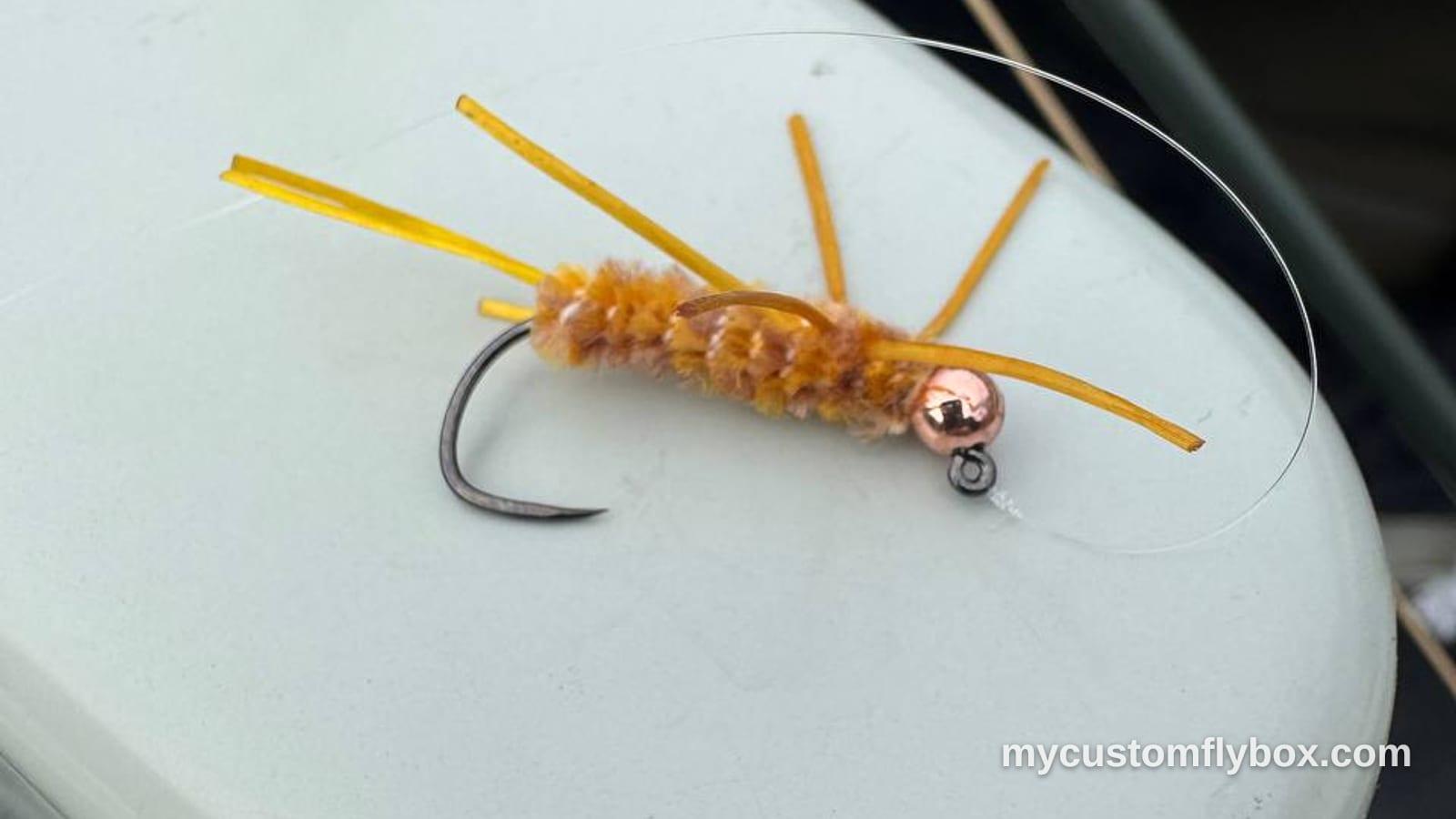
- Copperjohn or tungsten-beaded patterns, sizes 14-18, when you need to get down fast in faster water
- Small midge patterns (size 18-22) when the hatch is light and fish are selective
On the Catskills, the Beaverkill and Willowemoc often reward a simple two-fly nymph setup: a weighted attractor like a prince or tungsten bead head black spider as the point fly, and a size 16-18 pheasant tail as the dropper. Check the latest conditions on the Beaverkill and Willowemoc report page before heading out, because flow and hatch activity shift quickly between those two waters. The West Branch Delaware runs higher and faster, so you may need a heavier tungsten pattern to hold bottom in the riffles, and the fish often key on midge pupae and small stonefly nymphs as the season progresses. See the West Branch Delaware report for current flow trends that affect nymphing depth.
Dry Flies: The Show
Dry fly fishing is the most exciting presentation, which is precisely why it gets overused. A dry fly only works when trout are actively feeding on the surface or when conditions let you get close enough to present it accurately. That window is narrower than most anglers realize.
You should choose a dry fly when:
- You see fish taking insects on the surface. This is the obvious one, but many anglers miss the subtle takes: a fish rising with barely a ripple, or a series of small sips that do not look dramatic until you know what to look for.
- The water is warm, clear, and slow to moderate in speed. Late spring and summer on the Catskills, Pennsylvania warm-water creeks like Penns Creek and Spring Creek, and the tailwaters of New York and Pennsylvania all produce surface feeding when water temperatures climb and insect activity increases.
- A steady hatch is in progress. Mayflies, caddis, and terrestrials all trigger dry fly action, but each one has its own rhythm and window.
The hard part about dry fly fishing is not the cast: it is reading the water to find where the fish are holding before they decide to rise, and then presenting the fly without spooking them. Dry flies demand good approach, accurate placement, and the discipline to keep working a rise zone until you are sure the fish are done feeding.
Good starting flies for dry fly fishing in spring and early summer:
- Adams and parachute Adams, sizes 14-20, the universal mayfly imitation
- Elk hair caddis, sizes 12-18, essential for the evening caddis hatch
- Griffith's gnat, sizes 16-20, for small midge and spinners
- Elk hair ant, sizes 12-16, for the terrestrial hatches that dominate summer
- Humpy, sizes 12-14, another general-purpose terrestrial imitation
On Penns Creek and Spring Creek in Pennsylvania, caddis hatches from late May through June are a reliable driver of dry fly action, especially in the evening. Elk hair caddis in tan and olive, sizes 14-16, will cover a lot of water. The Catskills produce a broad range of hatches from late May onward: the Hendrickson hatch on the upper Delaware and its tributaries, followed by the blue-winged olive and iron-blue on the Catskills streams: and having a range of Adams variants and parachute patterns from size 14 to 20 will serve you well.
A note on dry flies in high or stained water: they will work if fish are rising, but you need to be willing to look elsewhere for the feeding fish. A rising trout in fast, dirty water is often holding in a seam, behind a seam line, or in slower edge water, not in the main current where the action looks most dramatic.
Streamers: The Aggressor
Streamer fishing targets the opportunistic side of trout behavior. Trout eat smaller fish, sculpins, leeches, and large insects throughout the year, and a well-presented streamer provokes a reaction strike that can produce big fish when nymphs and dry flies are not enough.
You should choose a streamer when:
- The water is cold, typically below fifty degrees. Cold-water trout are often in a holding pattern, conserving energy. A moving target: a sculpin imitation swimming through their lie: can trigger a strike that a static nymph cannot.
- You are targeting larger fish. Big trout eat bigger things. Streamer patterns imitate the prey items that larger trout specialize in, and hitting the right size can separate a day of small trout from a shot at a bigger fish.
- You are fishing deeper runs, pools, and tailwater pools where trout hold low and heavy. Streamers are a deep-water tool when tied to the right weight and presented at the right speed.
- Fish are not actively feeding on small insects. On days when the hatch is absent or the trout are sullen, a streamer can break through the apathy.
The key to streamer fishing is presentation, not the fly itself. Most streamer kills are not triggered by a perfect imitation: they are triggered by movement, speed variation, and depth. The classic strip-pause retrieve works for a reason: it mimics a small fish swimming, stopping to rest, and swimming again. Change the strip length and pause duration to match the water temperature and the mood of the fish. Cold water calls for slow, methodical strips with long pauses. Warmer water allows faster retrieves and shorter pauses.
Good starting flies for streamer fishing in spring and early summer:
- Black or olive leech patterns, sizes 6-10
- Sculpin imitations in brown and olive, sizes 4-8
- Woolly buggers, sizes 4-8, the universal streamer that works for a reason
- Clouser minnows, sizes 4-6, in brown, olive, or white, for a versatile minnow imitation
- Little black beetle or dark leech patterns in late spring as terrestrials begin to fall
On the West Branch Delaware, streamer fishing in the early season can be highly productive in the deep pools and runs below steeper riffles. The large trout that hold in these deep runs respond well to leech and sculpin patterns worked slowly through the holding water. In the Catskills, the deeper pools on the Beaverkill and Willowemoc hold similar big fish, and the spring streamer window runs from early May through June before the surface hatches take over.
Reading the Water: A Decision Framework
The best trout anglers I know do not decide on a presentation in the truck. They decide it in the water, standing at the edge of a run, watching for three to five minutes before they commit to a fly. Here is the sequence they use:
Minute one: Look for fish. Are they showing? Surface rises, lateral movement, the shadow of a body pressed flat against the current. If you see rises, the answer is usually a dry fly or a dropper with a dry. If you see bodies but no surface activity, the fish are feeding below, and nymphs are your first call.
Minute two: Read the current. Where is the food moving? In slower water, fish often hold in the seam between fast and slow, or in the pocket water below a riffle. In faster water, they hold along the edges, behind seams, or in the slower water below a drop-off. Your fly needs to travel through the same water the food is traveling through.
Minute three: Check the surface. Are there insects on the water? Even a light hatch tells you that trout have the option to feed above. If you see emerging mayflies in the seepage, caddis rising through the film, or terrestrial insects blowing into the current, the surface presentation earns serious consideration, especially if you also see subtle rises.
Minute four: Check the conditions. Is the water rising or falling? Rising water tends to push fish into shallower feeding lanes as they track the influx of food. Falling water pushes them back into deeper, slower water. Cold water favors deep, slow presentations. Warm, clear water favors surface and shallow presentations.
Minute five: Commit to one presentation and work it. This is the hard part. Most anglers switch flies after two casts because they are impatient. Work the fly through the water for at least five to ten minutes, covering the same lies from different angles. If nothing happens, switch to the next logical presentation: not the next one you want to fish.
This framework is not rigid. You will develop your own rhythm based on the waters you fish most. But the principle holds: observe first, decide second, commit for a while, and only then switch.
Seasonal Shifts in Fly Choice
Trout presentation preferences shift through the year as water temperature, insect activity, and fish behavior change. Here is a rough guide for the regions we cover on this site: New York and Pennsylvania.
Early spring (water below fifty degrees). Trout are deep, slow, and feeding on whatever is available. Nymphs and streamers dominate. Think small nymphs, woolly buggers, and leech patterns. The water is the limiting factor, not the fish.
Mid-spring (fifty to fifty-eight degrees). Trout move shallower as the water warms. Nymphing remains productive, especially with larger mayfly and stonefly nymphs. Streamer fishing can be excellent in the morning and late afternoon. Surface feeding begins on warmer days.
Late spring to early summer (fifty-eight to sixty-eight degrees). This is the sweet spot for nymphs and dry flies across New York and Pennsylvania waters. Mayfly hatches are reliable, caddis pick up, and the fish are active and shallow. The transition from nymphs to dries happens fastest on the Catskills and Pennsylvania warm-water creeks, a bit later on the colder Delaware tributaries.
Summer (water above sixty-eight degrees). Dry flies dominate in the morning and evening, especially for terrestrial hatches: ants, beetles, grasshoppers. Nymphs work in the midday heat when trout hold deep or in seep water. Streamer fishing can be productive early morning and late evening. Watch water temperatures closely: above seventy degrees, many trout become stressed and feeding slows across much of the range.
Common Mistakes
Starting with a dry fly when the water is dark or rising. A dry fly is the wrong tool until you see fish taking on the surface. In stained water, switch to a nymph and let the fish tell you when they are ready to move up.
Overweighting your nymph setup. A fly that is too heavy will sink through the feeding zone and rest on the bottom, where it gets snagged and looks unnatural to trout. Start with a light tungsten bead or a light split shot and add weight only if the water is demanding it.
Stripping a streamer too fast in cold water. A hot rod in cold water kills a streamer presentation. Slow is more effective, more natural, and more often gets the strike. Speed up the retrieve only when the water is warm and the fish are aggressive.
Casting too many casts in the same lie. Trout in a run are often in the same place for hours. One dry fly, two nymphs, three streamer strips through the same pocket: then switch to the next lie. You will catch more fish if you cover more water than if you overfish a single spot.
Neglecting the dropper on a nymph rig. A two-fly nymph setup is not about covering more fly length. It is about matching the depth the fish are feeding at and presenting two food items at once. The point fly should be heavier and slightly larger; the dropper should be lighter and closer to what the fish are actually eating.
Putting It Together
The decision of dry fly, nymph, or streamer is not a permanent choice you make at the start of the day. It is a series of small decisions made every time you cast, guided by what the water is telling you. Some mornings start on dries and end on nymphs. Some afternoons begin in the mud with a streamer and finish with a mayfly on the surface. The trout do not care which presentation you use. They care that you are offering something they recognize as food in the right place at the right speed.
A well-stocked fly box for a day on a New York or Pennsylvania trout stream in late spring to early summer might look like this:
- Dry flies: Adams size 16, parachute Adams size 18, elk hair caddis size 14, Griffith's gnat size 18, elk hair ant size 14
- Nymphs: Pheasant tail size 16, prince nymph size 14, Hare's ear size 16, copperjohn size 14, midge pupa size 20
- Streamers: Woolly bugger olive size 6, black leech size 8, Clouser minnow brown size 6, sculpin imitation size 6
This is not a complete box by any means, but it covers the most common presentations and conditions across the waters we track: from the West Branch Delaware to the Catskills streams, from Penns Creek to Spring Creek. You will learn, over time and through trial and error, which flies earn their space in your box and which ones just take up room.
Safety Note
Always check water conditions before you go. Rising water, high flows, and fast current make wading dangerous regardless of which fly you plan to use. The daily reports we publish for waters in New York and Pennsylvania track flow trends, water temperature, and safety conditions. If a report shows water at or above sixty-eight degrees, consider the impact on trout, especially in smaller, warmer streams where temperatures can spike quickly on a hot day. Cold water streamer fishing is effective, but do not chase fish in water that is clearly above safe temperature ranges for extended periods.
Sources
No external sources were used in the writing of this guide. The guidance reflected here is based on general trout fishing knowledge and conditions typical for the waters covered on this site. The daily fishing reports for the West Branch Delaware, Beaverkill and Willowemoc, Penns Creek, and Spring Creek can be found through the report pages linked in the frontmatter of this post.