How to Fly Fish Catskills Trout in October
By My Custom FlyBox Team
How to Fly Fish Catskills Trout in October
October changes a Catskills trout stream from one week to the next. A warm first week can still feel like September, with low afternoon water and active terrestrials along grassy banks. By the end of the month, hard frosts, cold rain, and bare trees can put the river into its late-fall routine. Trout still feed, but the useful window narrows and the best water often shifts from fast riffles toward deeper runs, pool heads, and slower seams.
The date alone will not tell you how to fish. Check the flow trend, water temperature, weather, and current regulations before choosing a river. Then carry a compact box that covers small mayflies, caddis, nymphs, and a few streamers. October rewards anglers who wait for the water to warm, move carefully, and change methods when the river gives them a reason.
October Conditions
The Catskills include freestone rivers, spring-influenced tributaries, and Delaware tailwaters. Each responds differently to cold nights and autumn rain. The Beaverkill and Willowemoc can rise quickly after a soaking storm, then drop and clear over the following days. The West Branch Delaware is influenced by reservoir releases as well as tributary runoff. A flow that suits one section may make another section difficult to wade.
Read the hydrograph before leaving home. The current discharge in cubic feet per second matters, but the shape of the graph matters more. A river rising sharply after rain may carry leaves, stain, and woody debris even when the number looks manageable. A high river that has leveled off or started falling can offer useful edge water and streamer fishing. A low, flat graph usually means longer leaders, lighter tippet, and fewer careless steps.
Use the nearest relevant station and remember that a gauge describes conditions at one location. Tributaries can add water between the gauge and your access. Reservoir releases can make a tailwater behave differently from nearby freestones. The USGS gauge guide explains how to compare discharge, trend, and historical context without treating one number as a universal wading rule.
October water temperature often favors a later start. After a clear, cold night, the first hour of daylight may offer little insect activity. Sun on the water, a mild breeze, or an overcast afternoon can improve the window from late morning through midafternoon. Carry a stream thermometer and take a reading in moving, shaded water. Do not assume air temperature equals water temperature.
River Selection
Choose water by conditions and access rather than reputation. The Beaverkill and Willowemoc report page is the first check for freestone conditions in the central Catskills. If the rivers are low and clear, look for deeper pools, shaded banks, broken riffles, and sections where tributaries add flow. If they are high but falling, work the inside bends and softer margins before attempting a crossing.
The West Branch Delaware report page covers a colder, release-influenced system with its own flow and access considerations. The West Branch can preserve surface opportunities when nearby freestones have slowed, but selective trout, variable releases, and difficult wading demand careful planning. A long leader and a precise reach cast usually matter more there than carrying twenty versions of the same olive dry. For colder water and shorter feeding windows later in the season, see the late-fall Catskills trout guide.
Small tributaries deserve restraint in October. Brook trout and brown trout use gravelly areas for fall spawning. A narrow stream concentrates fish and redds into limited habitat, which makes accidental disturbance more likely. If you see paired fish over clean gravel, repeated digging behavior, or bright patches on an otherwise dark streambed, leave that water alone. Fish deeper pools away from spawning areas or choose a larger river.
Public access also changes the decision. Stay within posted public fishing rights, state land, or other legal access. Autumn vegetation can make an informal path look public when it crosses private ground. Review current maps and signs instead of relying on where somebody parked last year.
Best Fishing Window
A practical October day often starts slowly. Arrive after the water has had time to recover from the overnight low, especially after frost. Walk the bank first. Look for drifting insects, rises in the pool tail, leaf accumulation, and changes in clarity. Five minutes of watching can keep you from wading through the best lie or rigging a dry fly when every trout is feeding near the bottom.
From late morning into early afternoon, small mayflies may bring trout up in quiet seams and pool tails. Cloud cover can help extend that activity. Bright sun can make clear, low water difficult, though it may warm a cold freestone enough to start feeding. Wind complicates the surface by moving leaves and hiding subtle rises, but it can also knock ants and beetles into the water during the warmer part of early October.
Late afternoon can produce another short window, particularly on a mild day. Do not count on a long evening rise. The sun drops behind Catskills ridges early, and water can cool quickly once a shaded valley loses direct light. Plan enough time to walk out before dark, when leaf-covered rocks, steep banks, and cold water make a simple crossing more hazardous.
October Hatches
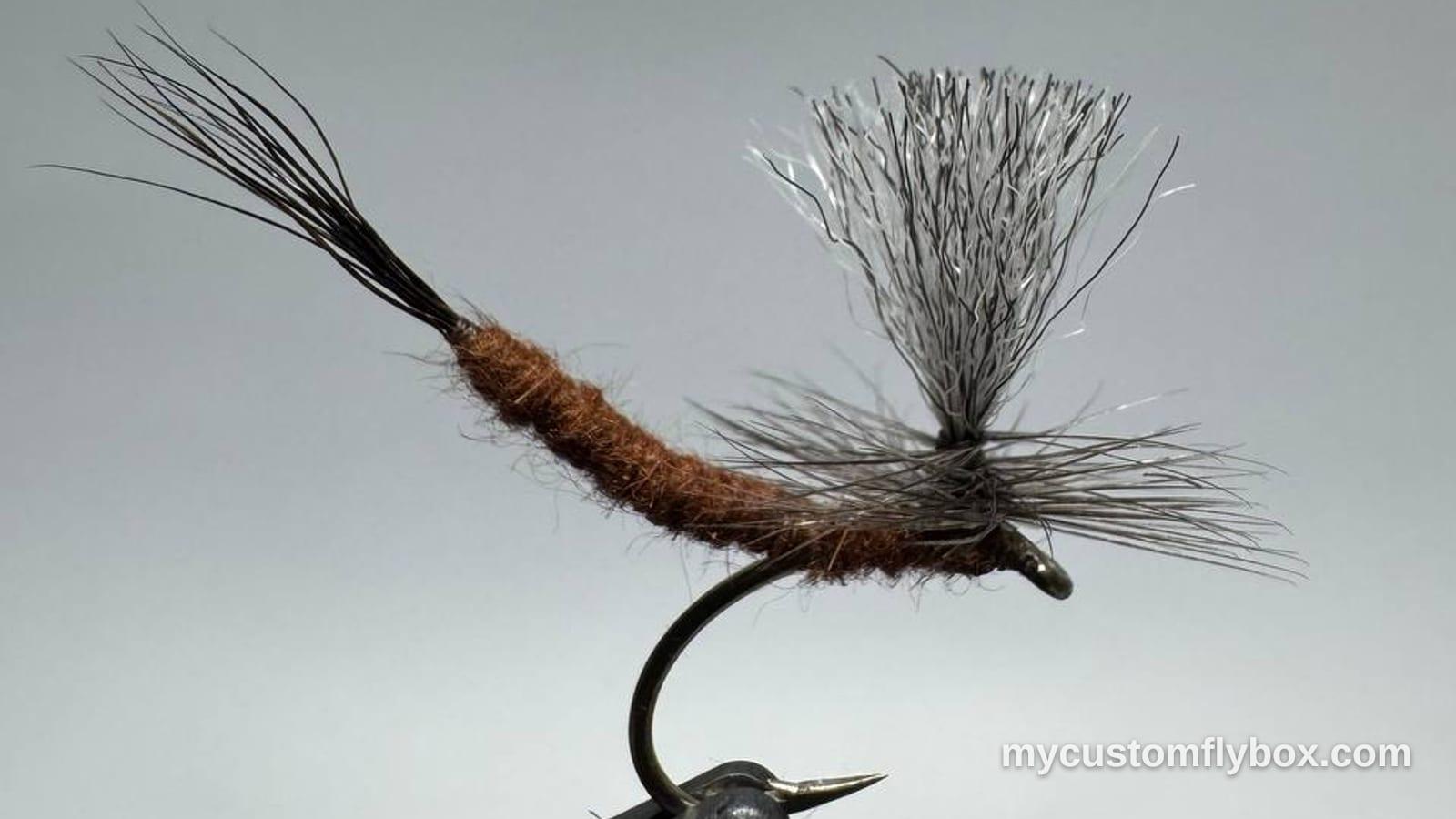
Blue-Winged Olives are the main mayfly group to prepare for on gray October days. Match the insect you see rather than selecting by the month. Carry olive or gray comparaduns, parachutes, and emergers in sizes 18 through 22. A sparse pattern that sits low often works better in flat water than a heavily hackled fly. The Blue-Winged Olive guide covers rise forms, presentations, and fly changes in more detail.
Small caddis can remain useful, especially during warmer spells. Tan, brown, and dark-bodied adults in sizes 16 through 20 cover much of the likely range. Trout taking caddis may show quick, splashy rises near broken water. An X-Caddis or low-riding emerger can be a better match than a high Elk Hair Caddis when fish are taking insects in the film.
Midges matter when larger insects are scarce. Carry Griffith's Gnats and small midge emergers in sizes 20 through 24 for slow pools and tailwaters. These flies require fine tippet and good light. If you cannot track the dry, use a slightly larger visible pattern as the lead fly and trail the midge behind it, provided the rig is legal for that water.
Early October can still produce ants and beetles on mild afternoons. A black ant in size 16 or 18 and a modest foam beetle in size 14 or 16 take little room in the box. Fish them close to grassy banks, under branches, and along slow edges. By late October, repeated frosts reduce the odds, so do not spend an entire cold day forcing a terrestrial pattern when the river shows no evidence for it.
Nymph Selection
Nymphing covers the quiet periods between surface events. Keep the rig light enough to respond to the water. In a shallow riffle, one lightly weighted Pheasant Tail may be enough. In a deep run after rain, a heavier point fly or a small split shot can bring the rig down without adding a large, flashy attractor.
A useful October nymph row includes:
- Pheasant Tail, sizes 16 to 20
- Blue-Winged Olive nymph, sizes 18 to 22
- Hare's Ear, sizes 14 to 18
- Caddis pupa, sizes 16 to 20
- Zebra Midge, sizes 20 to 24
- Small stonefly nymph, sizes 12 to 16
Start with natural colors in clear water. Olive, brown, black, and muted tan cover the common food without showing trout an oversized bright bead. After rain adds color, a darker silhouette or a restrained hot spot can help fish find the fly. That is a practical adjustment based on visibility, not evidence that every stained river calls for fluorescent materials.
Shorten the cast and control the drift. October leaves catch leaders, indicators, and dropper tags. A compact rig is easier to steer around debris and easier to lift when it snags. Fish the seam beside the main current, the soft pocket behind a rock, and the first deep water below a riffle before extending line across the whole run.
Dry-Fly Presentation
Low autumn water makes approach and presentation important. Stay out of the river when a bank position gives you the angle. Kneel below a pool tail, keep false casts away from the fish, and lead with the leader rather than dropping fly line over a feeding lane.
A 9- to 12-foot leader ending in 5X or 6X suits many small October dries. The exact choice depends on fly size, wind, current, and the fish. Use enough tippet to permit a slack, natural drift, but avoid a leader so long that you cannot turn it over. On broken freestone water, 5X may be sufficient. On a smooth West Branch pool with size 20 olives, 6X and a longer tippet section may help.
Watch the rise before changing flies. A trout taking duns from the surface leaves a different disturbance than one taking emergers just under the film. If you see backs or dorsal fins without an open mouth, try an emerger or unweighted nymph in the film. If the rises are scattered and quick near a riffle, a caddis may be moving. Change the fly after the drift, tippet, and position are sound.
Streamer Water
October streamers are useful when flows rise, light drops, or larger brown trout move within the system. Fish them away from active spawning areas. A streamer is a tool for covering banks, deep slots, and stained current, not a reason to cast at paired trout sitting over clean gravel.
Carry Woolly Buggers and simple baitfish patterns in sizes 6 through 10. Black and olive provide clear silhouettes; brown or natural combinations suit clearer water. On a modest freestone, a small streamer fished on a floating line with a weighted leader may be enough. Higher water may call for a sink-tip, but heavy systems can become difficult and unsafe in tight quarters.
Vary the retrieve. A slow swing into the soft edge often works in cold water. Short strips can suggest a small baitfish without pulling the fly away from a trout that will not chase far. In colored water, work close to cover and repeat good angles. In low, clear water, make longer casts from downstream and avoid pounding one bank with repeated false casts.
Spawning Ethics
Brown trout and brook trout spawn in fall. The National Park Service describes brown trout redds as gravelly transition zones between pools and riffles, with fall spawning commonly extending from October into November or December depending on local conditions. New York's trout management plan identifies hooking potential spawners and disturbing eggs or fry by wading as risks that anglers should understand.
A redd is a nest excavated in gravel. It may appear cleaner or lighter than the surrounding bottom because fish have moved fine material and turned stones. The safest response is simple: do not cast to trout actively holding on a redd, do not step through the cleaned gravel, and give the area a wide berth. Eggs remain in the gravel after the adult fish leave, so an empty-looking patch still deserves care.
If spawning activity is widespread in the reach, move. Deeper water, pocket water with a coarse bottom, or a river dominated by rainbow trout may offer a better option, subject to current rules and conditions. Ethical October fishing means accepting that some visible trout should be left alone.
Wading Safety
Cold water reduces the margin for error. Wear a wading belt, use a staff, and test each step. Felt leaves over smooth Catskills rock can be slick even in shallow water. Avoid crossing where the current pushes against a steep bank or where you cannot see the bottom. If a river has risen sharply, fish from shore or choose smaller, safer water after confirming it is not also surging.
Carry dry layers in the vehicle and tell someone where you will park and when you expect to return. Cell service is unreliable in several Catskills valleys. An autumn day that begins mild can finish with cold rain and wind after the sun leaves the valley.
Check regulations for the exact reach before fishing. New York permits statewide catch-and-release fishing with artificial lures on many inland trout streams from October 16 through March 31, but special regulations and exceptions apply. The current NYSDEC regulations and posted signs control. Do not use a general seasonal statement as a substitute for checking the water in front of you.
October Fly Box
A compact October box should cover the available food and changing water without becoming difficult to search:
- Blue-Winged Olive comparaduns and parachutes, sizes 18 to 22
- Olive and gray emergers, sizes 18 to 22
- X-Caddis or Elk Hair Caddis, sizes 16 to 20
- Griffith's Gnats and midge emergers, sizes 20 to 24
- Black ants, sizes 16 and 18
- Foam beetles, sizes 14 and 16
- Pheasant Tails, sizes 16 to 20
- Hare's Ears, sizes 14 to 18
- Caddis pupae, sizes 16 to 20
- Zebra Midges, sizes 20 to 24
- Small stonefly nymphs, sizes 12 to 16
- Woolly Buggers in black, olive, and brown, sizes 6 to 10
Carry at least two of the small flies you expect to use. Fine-wire dries and tiny emergers disappear into leaves, break off on bankside brush, and become difficult to dry after one fish. Organize the box by job: surface flies, emergers, nymphs, and streamers. That makes it easier to respond during a brief hatch instead of sorting through unrelated patterns.
The My Custom FlyBox app can help organize patterns by type and size before a trip. Use it as a planning aid, then let the gauge, thermometer, and insects on the water make the final choice.