The April Fly Box for Catskills Trout
By My Custom FlyBox Team
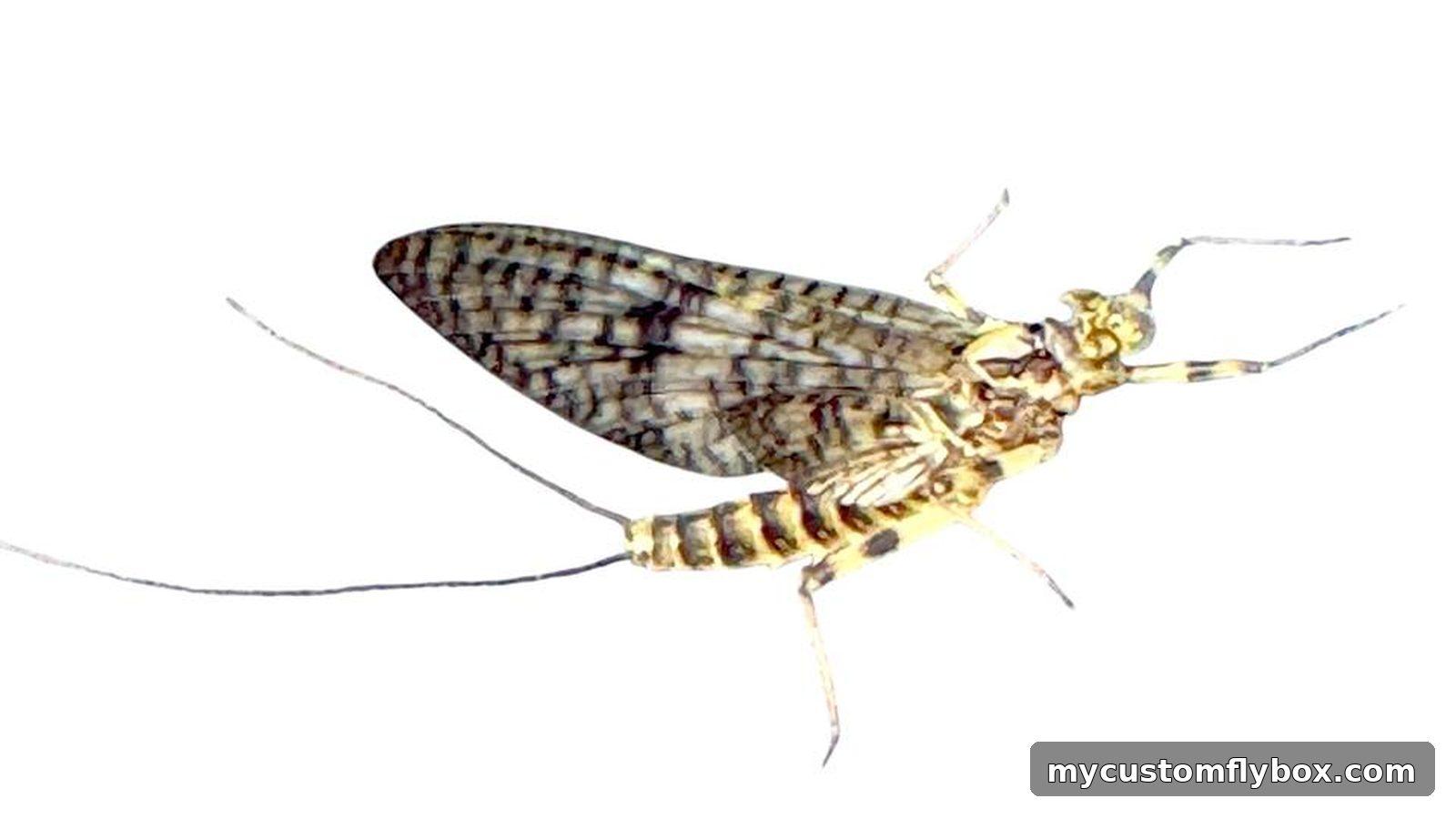
The April Fly Box for Catskills Trout
April in the Catskills is a month of cold mornings, quick changes, and trout that may feed hard for an hour after acting shut down all day. The Beaverkill, Willowemoc, Neversink, Esopus, and Upper Delaware system can all fish well in April, but they rarely fish the same way from one day to the next. A warm rain, a cold night, a dam release, or a few hours of weak afternoon sun can change where trout hold and what they are willing to eat.
That is why the April fly box should be practical before it is pretty. You need flies that work in cold water, flies that cover early hatches, and a few patterns that can handle stained or pushy flows. You do not need the whole late-spring dry fly box yet. You need enough range to fish nymphs deep, swing wets through softer seams, strip a streamer when the river bumps, and be ready when the first serious surface feeding starts.
April is also a safety month. Catskills rivers can look inviting from the road and still be heavy at knee depth. Freestone rivers rise and fall fast. Ledge rock stays slick. Bank ice may be gone, but the water can still be cold enough to make a bad wade serious. Build the box around the fishing, but build the day around the river.
River Checks
Before choosing flies, check the water. A good April box starts with flow, trend, temperature, and access. The exact number on a gauge does not tell the whole story, but it tells you whether you should think about nymphing soft edges, covering bank water with streamers, or looking for a dry fly window in slower pools.
For the Upper Delaware, the West Branch Delaware gauge at Hale Eddy is one of the first pages many anglers check. For the Catskills freestones, gauges near familiar reaches help you see whether the Beaverkill, Willowemoc, Neversink, or Esopus is rising, falling, or holding steady. A stable or slowly falling river usually gives you the cleanest read. A hard rising river may add color and move fish toward the banks, but it can also make wading unsafe and make trout less willing to move far for a fly.
Use the graph, not only the latest number. A river that reads fishable at sunrise but is climbing sharply after overnight rain may look very different by lunch. A river that is still high but dropping can improve through the afternoon, especially if clarity comes back and the sun warms the margins. If you need a fuller gauge routine, use the guide to reading a USGS gauge before trout fishing before committing to a reach.
Water temperature matters too. Early April water in the high 30s or low 40s usually means slow fish, deep flies, and short feeding windows. As water works through the mid and upper 40s, trout begin to move more confidently. By the time afternoons reach the low 50s, you should start watching for olives, stoneflies, and the first serious mayfly activity. Carry a stream thermometer and use it as a decision tool, not a trophy number.
Core Nymphs
Nymphs carry most April days. Trout spend much of the month close to the bottom or tight to softer seams where they do not have to fight the full push of spring water. A useful April nymph selection is small enough to manage and heavy enough to fish correctly.
Start with Pheasant Tails in sizes 12 through 18. The larger sizes cover early mayfly nymphs before Hendricksons and March Browns become obvious. The smaller sizes cover olives and general mayfly food when the water clears. A beadhead version gets down in broken water, while an unweighted or lightly weighted version drifts better in softer pools and tailouts.
Add Hare's Ears in sizes 12 through 16. A Hare's Ear is not exact, but it has the right buggy shape for early-season mayflies, caddis larvae, and general bottom life. In slightly stained water, a gold-ribbed Hare's Ear can be easier for trout to find than a slim, dark nymph. In clear water, a natural Hare's Ear fished on a lighter tippet is often enough.
Stonefly nymphs deserve space. Early black stoneflies are part of the April picture on many Catskills streams, and a dark stonefly nymph in sizes 8 through 12 can work well along banks, below riffles, and through pocket water. Do not fish it only as a deep anchor. On warmer afternoons, stoneflies crawl and move in skinny edge water, and trout may slide shallower than they did in the morning.
Round out the nymph side with Walt's Worms, Prince Nymphs, and small caddis larvae. Carry them in sizes 12 through 18. The goal is not to own every pattern. The goal is to cover three jobs: a mayfly shape, a stonefly shape, and a small bright or buggy searching nymph when the fish are feeding but not telling you exactly why.
Dry Fly Readiness
April dry fly fishing in the Catskills can be brief and memorable. Some days never get there. Other days give you a clean window when trout rise steadily to olives, stoneflies, or early Hendricksons in a pool that looked empty an hour earlier.
Blue Winged Olives should be in the box from the start. Carry comparaduns, parachutes, and emergers in sizes 16 through 20. Cloudy afternoons, light rain, and softer tailouts are the classic setup. The fish may not slash at olives. They may sip just under the surface, which makes an emerger or cripple pattern more useful than a high-floating dry.
Early black stonefly dries are worth carrying in sizes 14 through 18. They are not always a heavy surface event, but trout notice them near the banks and along softer riffle edges. A small black Elk Hair Caddis, black Stimulator, or slim stonefly dry can serve as a searching pattern when you see adults on snow, rocks, or streamside brush.
Hendricksons are the main reason many anglers start watching April afternoons carefully. The timing changes by year, elevation, and water temperature, but the Catskills conversation usually turns toward Hendricksons as April develops into May. Carry Hendrickson dries and emergers in sizes 12 and 14 before you think you need them. A hatch can start on one section while another reach remains cold and quiet.
March Browns usually belong a little later, but a couple of larger mayfly dries in sizes 10 and 12 do not hurt late in the month. The key is restraint. Do not crowd the box with every spring dry. Carry olives, stoneflies, Hendricksons, and a few larger mayflies. If trout are rising and your fly is close in size, profile, and drift, you are in the game.
For a simpler approach to surface feeding, read how to match the hatch without overthinking it. April rewards observation more than perfect naming.
Wet Flies and Soft Hackles
Soft hackles belong in an April Catskills box because they cover the middle ground between deep nymphing and committed dry fly fishing. They are especially useful when bugs are moving, trout are restless, and you cannot get a steady surface eat.
Carry Partridge and Orange, Partridge and Green, Hare's Ear soft hackles, and dark soft hackles in sizes 12 through 16. Fish them dead-drifted as part of a two-fly nymph rig, lifted at the end of the drift, or swung slowly through the lower half of a pool. The lift matters in April. Emerging mayflies and caddis do not move like stones. A soft hackle that rises at the end of a drift can look alive without needing much added motion.
Wet flies also help when the river is a little high but not blown out. In bank seams, below riffles, and along inside bends, a pair of wets can cover water cleanly without hanging bottom every cast. Use a short line, keep the swing slow, and take a step only after you have worked the nearby water. Cold trout will not always chase across current.
Streamer Choices
April streamer fishing is tied to flow and color. A fresh bump in water can put trout near the bank and make larger fish more willing to move. Clear, low, cold water usually calls for smaller streamers and slower retrieves. The same box should cover both.
Carry Woolly Buggers in black, olive, and brown in sizes 6 through 10. They still earn space because they can be fished almost anywhere. A black Bugger shows up in stained water. Olive and brown versions look closer to sculpins, leeches, and general baitfish in clearer water.
Add a few sculpin patterns in sizes 4 through 8. Catskills trout know sculpins, and early-season water often puts those baitfish near broken bottom, banks, and undercut edges. Fish them with short strips, pauses, and occasional rod-tip bumps. In cold water, the pause is often where the trout eats.
Carry one or two brighter streamers for stained water, but do not let the box turn into a pile of loud patterns. Yellow, white, or a modest flash pattern can help when visibility drops. If the river is clear, start natural. If the river is colored but still fishable, give the trout a profile they can find.
Streamer safety is simple: do not wade deep just to reach a far bank. In April, the best streamer water is often close. Cast upstream and across to your own bank, work the soft edge, then move. A short controlled cast into the right water beats a heroic cast across unsafe current.
Tippet and Leaders
April rigs need to change with method. For nymphs, 3X through 5X covers most work. Use stronger tippet when the water is high, flies are heavy, or you are fishing around wood and ledge. Drop to 5X when the water clears and fish get a longer look at small nymphs.
For dry flies, 4X and 5X cover Hendricksons and larger olives. Use 6X only when the water is clear, the flies are small, and the trout are refusing heavier tippet. Early season fish are not always as tippet shy as summer fish, but drag still matters. A longer leader with a clean drift usually solves more problems than going too light.
For streamers, use 0X through 3X depending on fly size and water. Heavy tippet turns over the fly, protects against abrasion, and lets you pull a fly free without breaking off constantly. If you are using a sink tip or weighted streamer, do not fish it on dry-fly tippet.
Water Type
Think in water types before patterns. In the morning, start with slower seams near winter holding water: tailouts, inside bends, soft edges below riffles, and the lower cushion behind rocks. Trout may not be in the fastest part of the run yet. Put nymphs near bottom and keep the drift slow.
By afternoon, especially on warmer days, look higher in the system. Riffle edges, pool heads, and shallow bank water can turn on as insects move. Stoneflies along the edges and olives in slow glides can pull trout away from deep holding water. If you see one rise, stop walking and watch. April fish often rise in a small lane, and the lane may be only a few feet wide.
After rain, fish the edges first. Stained water gives trout cover, but it also changes where they can feed efficiently. Soft bank water, flooded grass, wood, and inside seams are worth more than midriver current. This is where a stonefly nymph, Hare's Ear, or small streamer can outfish a perfect dry fly box.
On the Beaverkill and Willowemoc, check the current Beaverkill-Willowemoc fishing report before choosing between freestone reaches. For tailwater planning, the West Branch Delaware report can help you decide whether to carry more dry flies, nymphs, or streamers for the day.
Safety and Fish Care
April cold water deserves respect. Wear a wading belt, carry a staff, and do not assume a familiar summer crossing is safe in spring flow. If the river is rising or off-color, stay shallower than you think you need to. A trout is not worth a swim in cold water.
Fish care is usually easier in April than in August because water is cold, but that does not mean handling can be careless. Keep trout wet, pinch barbs if you are catching and releasing, and land fish quickly. If you are fishing a catch-and-release reach or fishing outside the harvest season, follow the current NYSDEC rules for that water.
Spawning concerns are lower for spring-spawning rainbows in some systems than for fall brown trout redds, but the habit is the same: watch where you step. Avoid clean, bright gravel patches where fish may be working or have recently worked. Good wading is part of good fishing.
April Box List
A clean April Catskills fly box can look like this:
Nymphs
- Pheasant Tail, sizes 12, 14, 16, 18
- Hare's Ear, sizes 12, 14, 16
- Prince Nymph, sizes 12, 14, 16
- Walt's Worm, sizes 14, 16, 18
- Dark stonefly nymph, sizes 8, 10, 12
- Caddis larva or pupa, sizes 14, 16
Dries and emergers
- Blue Winged Olive comparadun or parachute, sizes 16, 18, 20
- BWO emerger or cripple, sizes 18, 20
- Early black stonefly dry, sizes 14, 16, 18
- Hendrickson dry, sizes 12, 14
- Hendrickson emerger, sizes 12, 14
- Adams or Parachute Adams, sizes 12, 14, 16, 18
Wets and soft hackles
- Partridge and Orange, sizes 12, 14, 16
- Partridge and Green, sizes 14, 16
- Hare's Ear soft hackle, sizes 12, 14, 16
- Dark soft hackle, sizes 14, 16
Streamers
- Woolly Bugger, black, olive, and brown, sizes 6, 8, 10
- Sculpin pattern, olive or natural, sizes 4, 6, 8
- Small bright streamer for stained water, sizes 6, 8
If you are building a box from scratch, use how to build a river-specific fly box as the planning frame. The My Custom FlyBox app can help track which patterns and sizes you already carry, but the river still gets the final say.
References
- U.S. Geological Survey, Water Data for the Nation, West Branch Delaware River at Hale Eddy, NY: https://waterdata.usgs.gov/monitoring-location/USGS-01426500/
- New York State Department of Environmental Conservation, Inland Trout Stream Special Regulations: https://dec.ny.gov/things-to-do/freshwater-fishing/regulations/inland-trout-stream-regulations
- National Weather Service, Roscoe, NY forecast page: https://forecast.weather.gov/MapClick.php?CityName=Roscoe&FcstType=text&TextType=1&lg=ep&site=BGM&state=NY&textField1=41.9331&textField2=-74.9139