The February Fly Box for Catskills Trout
By My Custom FlyBox Team
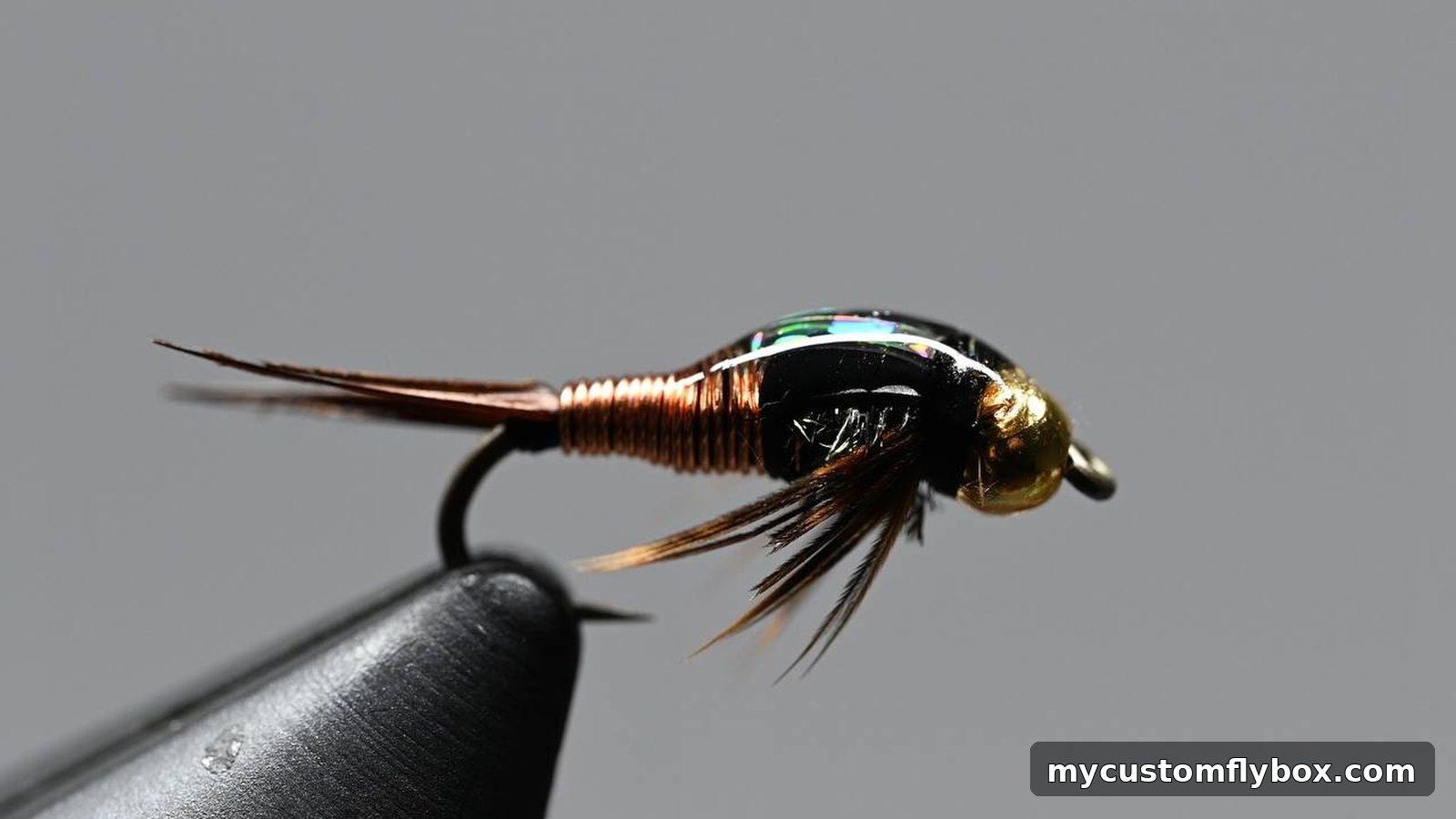
The February Fly Box for Catskills Trout
February trout fishing in the Catskills sits between deep winter and the first hints of spring. The river may be locked in cold, clear water one week and carrying a dirty thaw the next. Snow can hold along the banks while the afternoon sun brings just enough warmth to move midges, small olives, or early black stoneflies. A good February box has to cover those changes without turning into a full April box.
The point is not to carry every pattern you own. The point is to carry flies that make sense when trout are cold, current is heavy in places, banks are slick, and daylight is still short. Most February trout will not chase far. They want food that drifts close, moves naturally, and does not cost more energy than it is worth.
On the Beaverkill and Willowemoc, February conditions can change fast because freestone flows respond to snowmelt, rain, and overnight freeze. On the West Branch Delaware, tailwater influence can keep some sections steadier, but cold releases, shelf ice, and technical presentations still matter.
February River Checks
Start with water safety. February wading is different from May wading even at the same flow. Ice shelves narrow the banks. Snow hides loose rocks. A crossing that feels normal in fall can be dangerous when your legs are numb and your boots collect slush. If the gauge is rising hard, treat the day as a bank-fishing or scouting day unless you know the water well and have a safe edge to work.
Use the same routine described in How to Read a USGS Gauge Before You Go Trout Fishing. Look at the current discharge, gauge height, and 24- to 72-hour trend. A stable or slowly falling graph is usually easier to fish than a sharp rise. A small bump can add color and help nymphs or streamers. A warm rain on snow can make the river pushy, stained, and unsafe faster than the morning number suggests.
Water temperature matters, but February trout can still feed in cold water when the drift is steady and the presentation is slow. The best window is often late morning through midafternoon, especially after a mild night or during a calm gray day. Early sun on snow does not always mean warmer water. Let the river tell you what is happening before you step into it.
Regulations belong in the February check. New York inland trout stream rules vary by water and reach. Many designated trout stream reaches are catch-and-release with artificial lures only from October 16 through March 31, and some special-regulation waters have additional rules. Confirm the exact reach before fishing.
Holding Water
February trout hold where they can save energy and still eat. On freestone water, that usually means slow seams, pool heads with soft inside current, deeper edges below riffles, and cushions around boulders. The water can look too plain if you are used to fishing faster spring pocket water. In February, plain water with steady depth often beats pretty water that is too fast.
On the Beaverkill and Willowemoc, look for walking-speed current beside the main push. Fish the inside seam before you step through it. Work the soft bank below a riffle before you cast across the run. Trout may be close to shore because that is where the flow is easiest and the food line is still reachable.
On the West Branch Delaware, slow slicks and tailwater glides can hold fish, but drag control becomes the job. Long leaders, small indicators, light tippet, and careful casting angles often matter more than changing from one good midge to another. If a fly drifts six inches too fast, the pattern name does not save it.
Midge Patterns
Midges are the base of a February Catskills box. They can be active in cold water and they give trout a steady source of small food when larger mayflies and caddis are mostly absent. You do not need a hundred midge patterns, but you do need a few sizes and stages.
Carry Zebra Midges in black, olive, and red in sizes 18 through 22. Black is the default in clear winter water. Olive can matter on tailwater slicks and softer edges. Red is useful as a small attractor or when the water has a little stain. Keep both bead-head and slim non-bead versions if you fish slow pools where a heavy fly drops below the lane too quickly.
Add RS2s, WD-40s, Top Secret Midges, and small CDC midge emergers in sizes 20 through 24. These flies are hard to handle with cold fingers, so keep them organized by size before you leave home. A Griffith's Gnat in sizes 18 through 22 belongs in the dry corner for the rare surface window. If you cannot see it, use a slightly larger dry as a marker and trail a midge emerger behind it.
Small Mayfly Nymphs
Small mayfly nymphs are the second row. Pheasant Tails, Baetis nymphs, and slim guide-style patterns cover a lot of February work because trout are still eating underwater insects even when nothing obvious is hatching.
Carry Pheasant Tails in sizes 16 through 22. A bead-head size 16 or 18 works in broken current or as the upper fly in a two-nymph rig. A slim size 20 or 22 belongs in slow, clear water where fish are feeding close to the bottom or just below the film. Natural, olive, and dark brown tones are enough for most days.
Hare's Ears in sizes 14 through 18 still have a place. They suggest mayfly nymphs, small caddis, and general bottom life without demanding a perfect match. Add Walt's Worms, Frenchies, Perdigons, and simple jig nymphs in sizes 14 through 18. These are depth tools as much as food imitations. A heavy point fly can get a smaller dropper into the lane without adding too much split shot.
February takes can be soft. Watch the indicator, sighter, or leader for small hesitations. If you are tight-line nymphing, keep enough contact to read the fly without dragging it faster than the current. If you are fishing under an indicator, adjust depth before you change patterns.
Early Black Stoneflies
Early black stoneflies are one of the main February details that separate this box from a January box. On mild afternoons, small dark stoneflies may crawl on snow, rocks, bridge abutments, or streamside wood. Their presence does not always create easy dry-fly fishing, but it tells you that dark nymphs and small wet flies deserve attention.
Carry black or dark brown stonefly nymphs in sizes 12 through 16. A size 14 is a useful middle ground for Catskills water. Fish them near banks, along slower edges, and below riffles where nymphs may be active. When the river has a little color from thaw, a dark stonefly nymph can be easier for trout to find than a tiny midge.
A small black soft hackle or wet fly in sizes 14 through 18 can cover stonefly movement and general winter insect activity. Swing it slowly at the end of a nymph drift or fish it through the lower half of a riffle when the water is safe. The lift should be subtle. February trout rarely need a fly skated hard across the current.
Caddis Larvae and General Food
Caddis larvae are not glamorous, but they catch winter trout. They are available below the surface when hatches are sparse and trout are feeding opportunistically. Carry olive, cream, and tan caddis larvae in sizes 14 through 18. Pair one with a smaller midge or mayfly nymph. In faster pocket edges, the caddis can ride as the heavier point fly. In slower water, use a lighter version so it does not anchor below the trout.
Scuds and sowbugs are more water-specific. They matter more on some spring creeks and tailwater-influenced sections than on classic freestone runs. If you fish a section where they are common, carry gray, olive, and tan versions in sizes 14 through 18. If you do not have source knowledge for that water, do not let them crowd out midges, Pheasant Tails, and stoneflies.
Egg patterns are also reach- and ethics-dependent. In February, spawning brown trout should not be the target, and anglers should avoid redds and obvious spawning behavior wherever encountered. If eggs are legal and appropriate on a stocked or mixed fishery, keep them modest and use them as a situational pattern rather than the center of a Catskills wild-trout box.
Sparse Streamers
A February streamer row should be small and deliberate. Cold trout can still eat a larger fly, especially brown trout, but they usually want it close, slow, and believable. Streamers are most useful when the river has a little stain, clouds hold in the valley, the flow has bumped but remains safe, or you can fish banks without wading deep.
Carry black and olive Woolly Buggers in sizes 6 through 10. Add a small sculpin, a thin marabou streamer, and one light-colored baitfish pattern. That is enough for most February work. Oversized articulated flies can catch trout, but they can also be hard to cast with cold hands and too much for fish that are barely willing to move. For more on when the bigger fly makes sense, see How to Fish Streamers After Summer Rain, then slow the retrieve down for winter.
Fish the pause. Cast across or slightly downstream to a soft bank, let the fly sink, then use short strips, mends, and controlled swings. A streamer that hangs in the zone is better than one ripped through the pool. After a thaw, work the inside seams, bank cushions, and tailouts where dislodged food and small baitfish collect.
Dry Flies and Surface Windows
February dry-fly fishing is possible, but it is usually narrow. Carry Griffith's Gnats, small black stoneflies, Blue-Winged Olive parachutes, CDC olives, and a few low-profile emergers in sizes 18 through 24. A size 18 dry can also serve as a visible point fly for a smaller emerger.
Watch foam lines, slow banks, and slicks below riffles. One trout rising every few minutes may be worth more attention than a long bank with no signs of life. Before changing flies, change angle. Winter drag can be subtle because the current looks slow, but micro-currents still pull a fly sideways across flat water.
If you see tiny insects but no rises, fish an emerger or soft hackle just under the film. Trout may be feeding where you cannot see them. A greased leader or short dropper under a small dry can keep the fly in the right layer without adding the splash of an indicator.
Fly Box Layout
A February box should be easy to use with cold hands. Separate the rows by job. Put midges and tiny emergers where you can reach them without digging. Keep heavier nymphs and stoneflies together so you can build rigs quickly. Put streamers in a small corner or separate sleeve so wet marabou does not soak the dry row.
A simple layout works:
- Midges and tiny emergers, sizes 18 through 24
- Small mayfly nymphs, sizes 16 through 22
- Caddis larvae, Walt's Worms, and guide nymphs, sizes 14 through 18
- Dark stonefly nymphs and soft hackles, sizes 12 through 18
- Sparse dries and emergers, sizes 18 through 24
- Small streamers, sizes 6 through 10
Carry fewer patterns and more duplicates of the ones you trust. February is not the month to lose your only size 22 black midge in the first pool. If you build boxes by river, keep a Beaverkill-Willowemoc winter box and a West Branch winter box slightly different. The freestone box can lean more toward stoneflies, caddis larvae, and small streamers for thaw windows. The West Branch box can carry more tiny midges, olives, and sparse emergers for technical tailwater water. For a broader planning approach, see How to Build a River-Specific Fly Box.
Safety and Fish Care
February safety is mostly plain judgment. Wear layers that still let you move. Carry dry gloves. Keep a wading staff within reach. Avoid shelf ice, undercut snowbanks, and crossings that require a safe return later in the day. A mild afternoon can become a cold walk out when the sun drops behind the ridge.
Handle trout quickly. Cold air can damage exposed gills and eyes, especially when wind is cutting across the river. Keep fish wet, unhook them in the net when possible, and skip photos when the air is harsh. Barbless hooks or pinched barbs make winter fish care easier and save time with small flies.
Do not fish to trout on redds or obvious spawning behavior. Step around light oval patches of cleaned gravel and avoid dragging rigs through them. If the water is high, rising, or carrying debris, the right fly box is the one that stays in the truck. February will give more chances.
References
- NYSDEC Inland Trout Stream Special Regulations for New York trout stream reach categories, catch-and-release periods, and artificial-lures-only rules.
- USGS National Water Dashboard for current streamflow, gauge height, and water temperature where available.
- How to Read a USGS Gauge Before You Go Trout Fishing for the site’s practical gauge-checking routine.