Top 5 Dry Flies Every Angler Should Have
By My Custom FlyBox Team
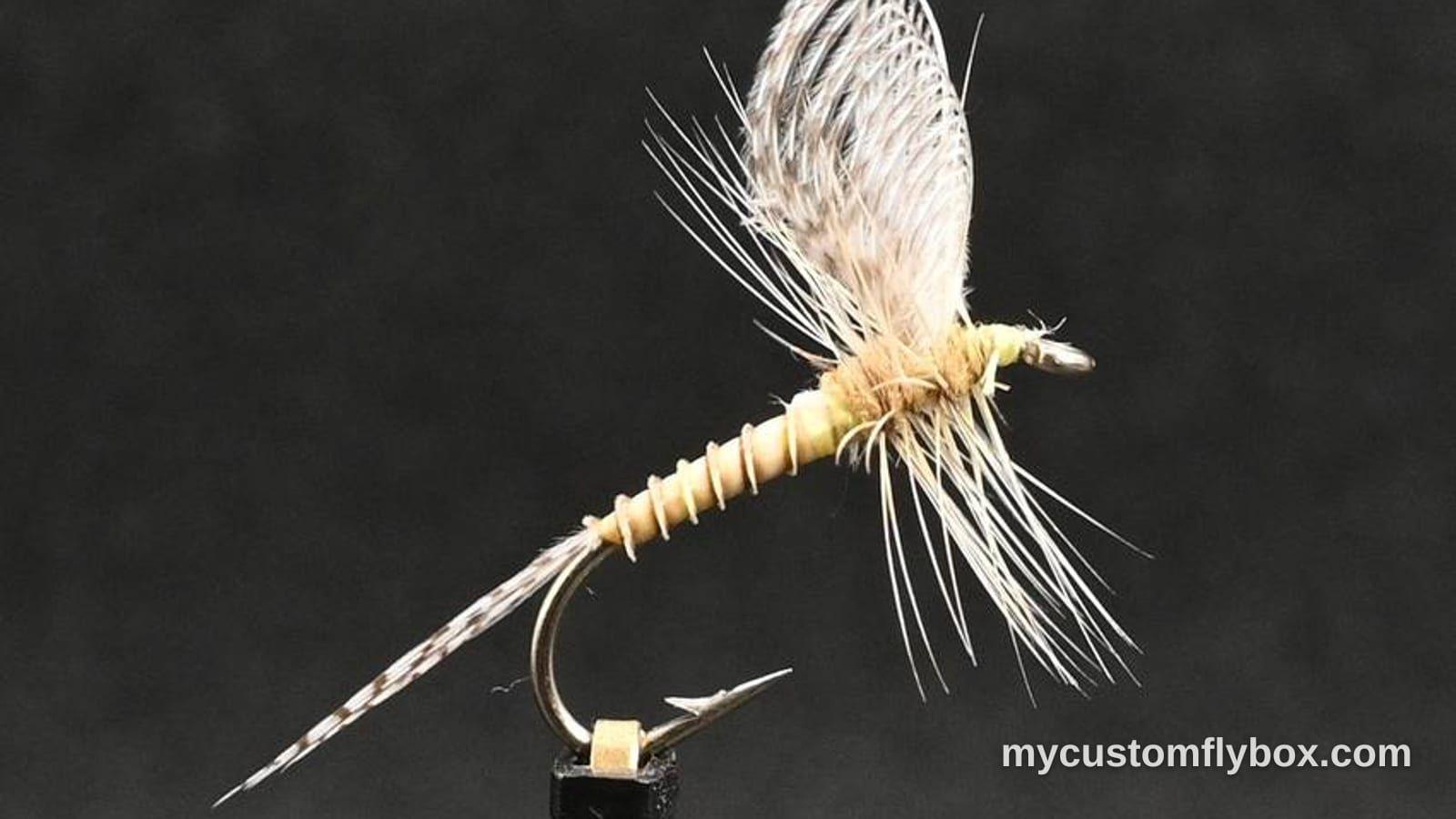
Top 5 Dry Flies Every Angler Should Have
A dry fly that floats, looks right, and drifts naturally catches more trout than a full box of flies that don't work. You do not need fifty patterns in your dry fly selection. Five reliable patterns, carried in the right sizes, cover the majority of surface-feeding situations on New York and Pennsylvania trout streams.
The flies below are not ranked by importance. Each one covers a different type of insect or serves as a general attractor. Together, they let you fish dry almost any day from spring through fall.
Adams
The Adams is the most widely used dry fly pattern in freshwater trout fishing. Its gray hackle, brown body, and white CDC or poly yarn collar make it a decent imitation of many mayfly duns. It does not perfectly match any single species. It looks close enough to enough species that trout will take it when no better match is available.
Best for: General mayfly imitation across all seasons Hook sizes: 12 to 20 When to use: Any day when mayflies are present, especially on overcast mornings or in the late afternoon
Keep an Adams in size 16 and 18 as your default. Size 12 covers the larger spring events like Hendricksons. Size 20 works when the water is clear and the fish are feeding on small spinners or duns.
Elk Hair Caddis
The Elk Hair Caddis floats higher than almost any other dry fly. The stiff elk hair wing sheds water, holds the fly on the surface, and bounces fish off it more often than the fly does. It imitates caddis adults, which hatch from late spring through fall on most trout streams. It also works as a general mayfly imitation because its buoyant profile mimics an inactive insect that a trout can catch easily.
Best for: Caddis hatches and general surface fishing Hook sizes: 12 to 18 When to use: Summer evenings, windy days, low-light conditions
Carry tan and olive versions. Tan covers the common tan caddis that hatches in warm afternoons. Olive works well when caddis activity is light or when fish are feeding on smaller olive-colored insects. The Elk Hair Caddis is also useful as a dry-dropper dry fly because it stays on the surface while a nymph swings below.
Parachute Adams
The Parachute Adams is a modified Adams with a hackle tied around a vertical post instead of wrapped traditionally. The post makes the fly more visible to the angler. The horizontal hackle creates a stable sitting position on the water. The pattern imitates mayflies the same way the regular Adams does, but the improved visibility and stability make it easier to read takes and work the fly.
Best for: Calm water, picky fish, small mayfly imitations Hook sizes: 14 to 20 When to use: When fish are sipping surface insects and a regular dry fly is too hard to see
The Parachute Adams is especially useful on spring creeks and tailwaters where fish are selective. A size 18 or 20 in gray or olive will cover most BWO and small mayfly events. The horizontal hackle sits flush on the water surface, reducing drag and making the drift look more natural.
Royal Wulff
The Royal Wulff is an attractor dry fly, meaning it does not closely imitate any specific insect. Its bright red band, white wing, and yellow body make it highly visible to both angler and fish. It works as a general surface stimulus that triggers a predatory or competitive response rather than a feeding one. The Royal Wulff is particularly effective when no hatch is happening and fish are still active near the surface.
Best for: Attractor fishing, low-hatch conditions, early spring and fall Hook sizes: 10 to 16 When to use: When no specific hatch is present, in faster water where trout see a flash better
A Royal Wulff in size 12 is a reliable fallback pattern. It is less useful when fish are tightly keyed on a specific hatch, because its bright profile can spook selective trout. In that situation, switch to a more imitation-style dry fly.
Stimulator
The Stimulator is a dense, high-floating dry fly originally designed as a stonefly imitation. Its stiff hackle and dense body make it incredibly buoyant and highly visible. It works as a stonefly pattern during the spring and summer stonefly hatches, but it also functions as a general attractor on days when the hatch is light or absent. The Stimulator is a common choice for dry-dropper rigs because it reliably holds the nymph below without submerging.
Best for: Stonefly hatches, rough water, dry-dropper rigs Hook sizes: 8 to 14 When to use: Summer months, mountain streams, windy days
The Stimulator excels in fast, choppy water where other dry flies sink or hide in the current. Its high visibility lets you track it easily even in white water. Carry sizes 10 and 12 as the core sizes, with size 8 for larger stonefly events and size 14 when the water is low and clear.
Sizes and Quantity
Each of these five patterns matters across a range of sizes. Do not carry only one size per pattern. The chart below shows how many flies to tie for a working dry fly selection:
| Pattern | Sizes | Quantity per size | |---|---|---| | Adams | 14, 16, 18, 20 | 1 each | | Elk Hair Caddis (tan) | 12, 14, 16 | 1 each | | Elk Hair Caddis (olive) | 14, 16 | 1 each | | Parachute Adams | 14, 16, 18, 20 | 1 each | | Royal Wulff | 10, 12, 14 | 1 each | | Stimulator | 8, 10, 12, 14 | 1 each |
That gives you roughly twenty flies in the box, which is sufficient for most dry fly fishing. Add duplicates of any pattern you know works well on the specific river you are fishing.
Building a Dry Fly Box
Organize these flies in order of size, from largest to smallest. Place them where you can reach them without unpacking your entire box. A well-organized dry fly box saves time at the water and reduces the chance of losing a small fly when searching through a lid.
The My Custom FlyBox app helps you plan your dry fly selection before each trip. Search each pattern by name, view the sizes available, and add them to a dedicated dry fly box. You can organize multiple boxes for different waters or seasons and see at a glance which patterns you already carry.
When to Fish Dry Flies
Dry fly fishing works when trout are actively feeding on the surface. This happens most reliably:
- During a visible hatch: mayflies, caddis, or terrestrials falling into the water
- Early morning and late afternoon when light is low and fish move into shallower water
- On overcast days when fish feel less exposed and feed more aggressively near the surface
- In slow to moderate water where a natural drift is possible
Dry flies do not work well in fast, turbulent water unless fish are rising and you can present the fly accurately. They also fail in stained or rising water where trout hold below the surface and feed on nymphs.
For conditions on specific waters, check our fly fishing reports for current hatch activity and surface-feeding conditions.
What Not to Do
Carrying too many dry fly patterns is the most common mistake. A box with thirty different dries paralyzes decision-making at the water. You should be able to scan your box in three seconds and pick the right fly.
Another mistake is using a pattern too large for the hatch. A size 8 Stimulator will not help when trout are taking size 20 BWOs. Downsize before you switch patterns.
A third mistake is ignoring presentation. A well-presented mediocre dry fly catches more fish than a perfect fly dropped on top of a trout. Work on your loop control, your casting accuracy, and your ability to mend line to eliminate drag.
The flies above will catch trout if you present them correctly and fish them when the conditions call for a dry. Carry the patterns, practice the cast, and watch the water before you commit to a specific fly.