The September Fly Box for Catskills Trout
By My Custom FlyBox Team
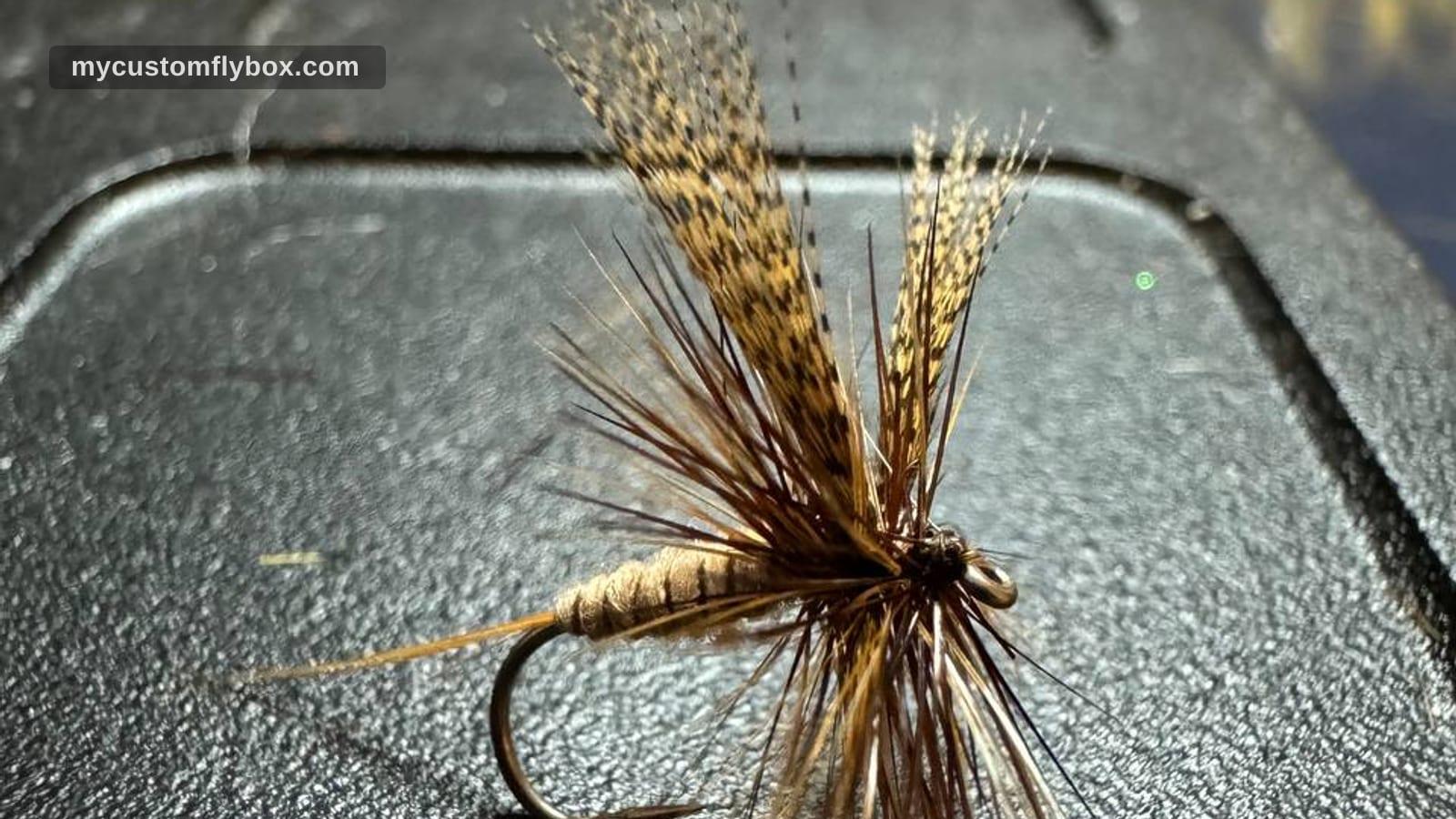
The September Fly Box for Catskills Trout
September in the Catskills can fish like late summer at noon and like fall by the time you walk back to the truck. Water temperature, flow, and cloud cover shift fast. A cold night can reset a freestone. A hot, dry stretch can push trout into survival mode by afternoon. The best fly box for the month covers small technical dries for low water, terrestrials for warm afternoons, nymphs for pocket water and shaded riffles, and a few streamers for the first real rain bumps.
You do not need a stuffed boat box to fish September well. You need flies that answer the conditions in front of you. On the Beaverkill and Willowemoc, that might mean ants and beetles over skinny flats in the morning, small olives under clouds, or a soft-hackle swung through a broken run when nothing is rising. On the West Branch Delaware, it might mean long leaders, small mayfly imitations, and enough patience to wait for the river to tell you which fish is worth casting to.
The bigger decision is not always fly choice. In September, water temperature still matters. Build the box, but carry a thermometer and use it.
Low, Clear, Picky Water
September trout fishing asks you to solve three problems at once. Flows are often low and clear unless storms have come through. That means trout get a long look at the fly, leader, tippet, and the angler. The heavy 4X leader that worked during May caddis can look clumsy now on flat water. In softer pools and tailouts, 5X and 6X usually make more sense, and your cast matters as much as your pattern.
The food menu is mixed. There may be olives, late summer caddis, flying ants, beetles, crickets, midges, small stoneflies, and baitfish or sculpins moving around the edges. None of that means every bug is important every day. It means your September box should be broad but not random.
The weather can swing hard. A bright afternoon after a warm night may call for skipping the lowest freestones and looking for colder water. A cloudy day after rain may bring trout out of impossible places and make streamers useful again. A frosty morning later in the month can delay surface activity until the sun touches the water.
That is why a September fly box should be arranged by job, not by romance. Carry the flies that handle low clear water, picky risers, shaded riffles, sudden olives, and the first push of fall flow.
Small Dry Flies
The dry-fly side of the September box should start with small mayflies and midges. Blue-winged olives are the practical anchor. Carry parachute BWOs, CDC comparaduns, sparkle duns, and low-riding emergers in sizes 18 to 22. A few size 16 olives are worth having when the water has color or the bugs are larger, but the small ones earn their space.
For flat water, a low-profile fly often beats a high-floating hackled pattern. A CDC emerger or a small comparadun sits in the film and looks vulnerable. That matters when trout are sipping rather than breaking the surface. If you see noses, dimples, or soft rings without splashy takes, think emergers before you reach for a bigger dry.
Keep a few small caddis in the box too. Tan, gray, and dark elk-hair caddis or X-caddis in sizes 16 to 20 can cover evening skittering and searching in broken water. On the Beaverkill and Willowemoc, a caddis can still be useful in riffles even when the slicks are quiet. On the West Branch, a single careless caddis cast over a picky fish can be too much, so use it where the water gives you cover.
Midges matter too. A Griffith's Gnat in sizes 20 to 24, a small black midge, and a tiny trailing-shuck pattern can save a slow morning. They are not glamorous flies, but September trout do not care about that. If a good fish is rising every thirty seconds in a slow seam and you cannot see what it is eating, a midge cluster or small emerger is often a better first question than a size 14 attractor.
Terrestrials
September is terrestrial season until the weather proves otherwise. Ants and beetles belong in every Catskills box this time of year, especially for meadow water, undercut banks, grassy edges, and shaded pockets below overhanging limbs.
Carry black ants in sizes 16 to 20, cinnamon ants in 16 to 18, and at least one winged ant pattern. Flying-ant falls are not something you can schedule, but when they happen, trout can get stubborn fast. A fish that was casually sipping olives may start keying on ants so hard that everything else looks wrong. A small foam or lacquered ant with a visible post is useful when glare makes the water hard to read.
Beetles should be simple. Black foam beetles in sizes 12 to 16 cover a lot of water. Add a small brown beetle if you like fishing tight to banks. The trick is not to slap the fly down everywhere. In skinny water, make the cast land with enough presence to be noticed but not so much that it sounds like a stone. Short drifts tight to cover often outfish long casts.
Crickets and small hoppers have their place, but Catskills trout in September are not always looking for western-style hopper meals. A size 10 or 12 small hopper, cricket, or foam attractor can be right along hayfield edges, but if trout refuse it twice, downshift quickly. A beetle with a small nymph below it is often a better searching rig than a big hopper-dropper that lands heavy.
Nymphs for Thin Water
September nymphing is not about dragging the biggest anchor fly through every run. Low water calls for slimmer patterns, lighter weight, and cleaner drifts. The fish are still in riffles and pocket water when temperature and oxygen allow, but they have less room to forgive bad presentation.
A good September nymph row starts with Pheasant Tails in sizes 16 to 20. Add Hare's Ears in 14 to 18, Walt's Worms or Sexy Walt's in 16 to 18, small Perdigons in 16 to 20, and olive or brown mayfly nymphs in 18 to 20. These cover a lot of small mayfly and general nymph activity without making the rig look heavy.
For caddis, carry olive and tan caddis pupa in sizes 14 to 18. Swinging a soft hackle at the end of a drift can be more useful than repeatedly recasting a bobber rig through the same lane. A partridge-and-orange, partridge-and-olive, or small hare's-ear soft hackle in sizes 14 to 18 can imitate emerging caddis, olives, or just enough life to draw a trout that has ignored dead-drifted nymphs.
Weight should match the water. In shallow riffles, a lightly weighted fly and a longer tippet section may get a more natural drift than split shot. In deeper slots, use enough weight to touch the lane, but do not turn every drift into a dredge. If you are ticking bottom constantly in September low water, you may be below the fish or spooking them with the rig.
Streamers for the Right Window
September streamer fishing in the Catskills is about timing. During low, bright water, a streamer can move fish but also educate them. After rain, under clouds, at last light, or when a cold front wakes up the river, the same pattern can look alive.
Keep the streamer row small and useful. Olive and black Woolly Buggers in sizes 6 to 10, a slim sculpin in olive or brown, a small black leech, and one light-colored baitfish pattern will cover most needs. If the river bumps up and takes a little stain, a slightly larger pattern may be worth carrying, but it should not be the whole plan.
Fish the fly where September trout can eat it without spending too much energy: under banks, along boulder edges, through the heads of pools, and across soft seams below faster water. Vary the retrieve. In cold morning water, short strips and pauses may work. In stained water after rain, a broader swing and a firmer strip can help fish find the fly.
On pressured water, smaller streamers often beat bigger ones. A size 8 bugger fished well through a shaded run can be more convincing than a large pattern thrown at every bank. If trout follow but do not eat, change speed before changing fly. Then change size.
A Practical September Box
Here is a clean starting point for a Catskills September trout box.
Dry flies
- BWO Parachute, 18-22
- CDC BWO Emerger, 18-22
- BWO Comparadun or Sparkle Dun, 18-22
- Griffith's Gnat, 20-24
- Black Midge Dry, 20-24
- Tan Elk Hair Caddis, 16-20
- X-Caddis, tan or gray, 16-20
Terrestrials
- Black Ant, 16-20
- Cinnamon Ant, 16-18
- Winged Ant, 16-20
- Black Foam Beetle, 12-16
- Brown Beetle, 14-16
- Small Cricket or low-profile Hopper, 10-14
Nymphs and wets
- Pheasant Tail, 16-20
- Hare's Ear, 14-18
- Walt's Worm or Sexy Walt's, 16-18
- Olive Perdigon, 16-20
- Caddis Pupa, olive and tan, 14-18
- Partridge-and-Olive Soft Hackle, 14-18
- Partridge-and-Orange Soft Hackle, 14-18
Streamers
- Woolly Bugger, olive and black, 6-10
- Small Sculpin, olive or brown, 4-8
- Black Leech, 6-10
- Slim baitfish pattern, 6-8
That list is enough to fish a week of changing September water without carrying everything you own.
Match the River, Not Just the Month
The Beaverkill and Willowemoc often reward anglers who can move between dry-fly patience and pocket-water practicality. If the pools are flat and clear, stay low, lengthen the leader, and watch before casting. If broken riffles have enough cold water, a small dry-dropper or light nymph rig can cover water without making a production out of it. The current report page for the Beaverkill and Willowemoc is a better starting point than any fixed September assumption.
The West Branch Delaware is a different animal. It is a tailwater with its own flow and temperature story, and the trout often demand a better presentation. Small olives, midges, ants, and long leaders matter. So does knowing whether the release and weather have made a section comfortable for trout and reasonable for wading. Check the West Branch Delaware report before deciding where to spend the day.
Smaller tributaries and headwaters may come back to life sooner after hot weather, but they also require restraint. Brook trout water is not a place to stomp through redds later in fall or fish hard when water is too warm. September is a good month to be quiet, selective, and willing to walk away.
Temperature and Fish Care
The best fly in the box is still the thermometer. If water temperatures are pushing into the upper 60s, especially near or above 68 degrees, trout are under stress. In those conditions, fish early, keep fights short, handle fish wet and quickly, or choose colder water or a different species for the afternoon.
Do not use a cold morning reading as permission for the whole day. Freestone streams can warm quickly under sun, especially when flows are low. Tailwaters can also change by section. Take another reading if the day warms, if you move downstream, or if fish seem sluggish.
September also starts the mental shift toward spawning season. Brown and brook trout spawn in the fall. Later in the month and into October, be careful around clean gravel, shallow tailouts, and tributary mouths. If you see paired fish or redds, leave them alone. A good angler protects next year's river as much as this afternoon's fishing.
How to Use the Box on the Water
Start by reading the water before opening the box. If the river is low and clear with no visible rises, look for shaded riffles, bank shade, and seams where trout can feed without feeling exposed. A beetle, ant, small caddis, or light nymph rig can all be right, but the first cast should be careful.
If trout are rising, watch three rises before changing flies. Splashy rise in broken water may point to caddis or a terrestrial. Quiet dimples in a slick may mean olives, midges, or emergers. A trout moving sideways near a grassy bank may be eating ants or beetles. The rise form is not perfect evidence, but it keeps you from guessing blindly.
If rain has lifted the river and added color, start bigger and closer to structure. A small streamer, darker nymph, or soft hackle can find fish before the dry-fly window opens. As the water clears, move back toward smaller flies and finer presentation.
Most September mistakes come from fishing May habits in September water. Too much fly, too much leader splash, too much wading, too many false casts over the fish. Simplify. Make the first cast count. Change flies only after you have changed angle, distance, drift, and depth.
References
- NYSDEC, "Fly Fishing the Catskills" by Ed Van Put, 2013-14 Freshwater Fishing Guide: https://extapps.dec.ny.gov/docs/fish_marine_pdf/ffthecatskills.pdf
- NYSDEC, "Inland Trout Stream Management in New York": https://dec.ny.gov/things-to-do/freshwater-fishing/fisheries-management-research/inland-trout-stream-management
- NYSDEC, "Trout Stream Fishing Map User Guide": https://dec.ny.gov/things-to-do/freshwater-fishing/places-to-fish/trout-stream-fishing-map-guide