The July Fly Box for Catskills Trout
By My Custom FlyBox Team
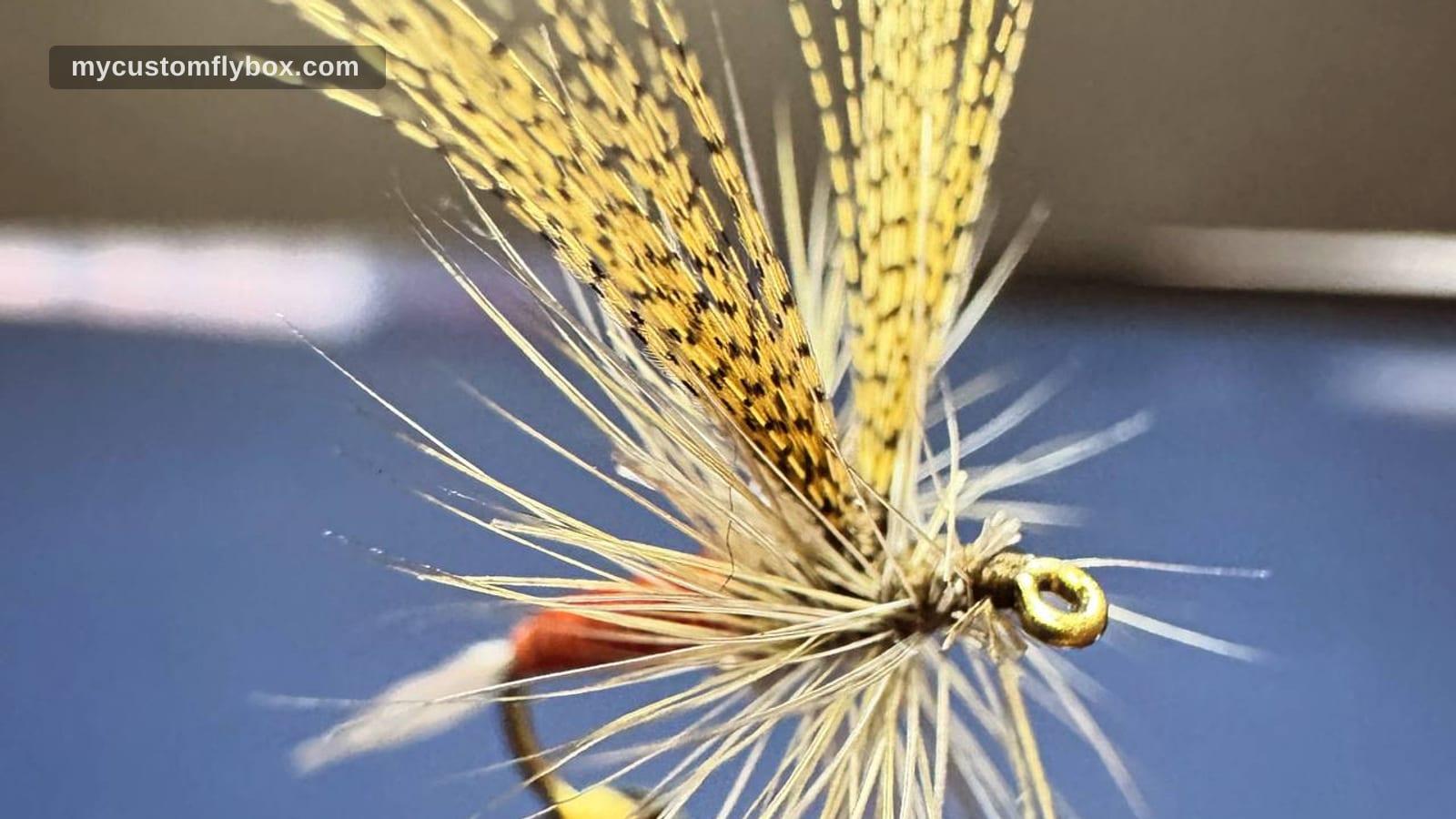
The July Fly Box for Catskills Trout
July is a sorting month in the Catskills. The easy spring rhythm is gone. You are no longer carrying a box built around Hendricksons, March Browns, and big spring caddis and expecting every riffle to give up fish. The rivers are lower, the sun is higher, and trout have seen enough flies to know the difference between a good drift and a rushed cast.
That does not mean July is a poor month. It means the angler has to be more deliberate. On the Beaverkill and Willowemoc, the best fishing often happens early, late, after rain, or in shaded broken water where temperature and cover still work in a trout's favor. On the West Branch Delaware, cold reservoir releases can give anglers a second summer season with sulphurs, olives, and technical dry-fly fishing when nearby freestones are too warm or too thin.
A July fly box should reflect those differences. It needs small mayflies for tailwater risers, caddis and searching dries for riffles, terrestrials for banks and meadow sections, a short nymph row for fish that will not rise, and a few streamers for stained water or first light. Just as important, it should include the habit of carrying a thermometer and knowing when to quit.
If you are planning a same-day trip, check the current Beaverkill and Willowemoc report and the West Branch Delaware report before you build the box. July is not a month for guessing at water temperature or flows.
Start With the Water, Not the Fly
The best July fly is the one that belongs in water worth fishing. That sounds obvious, but it is the mistake that ruins many summer trout days. An angler sees a few caddis in the brush, ties on an Elk Hair Caddis, and starts fishing a warm flat at noon because the fly looks right. The fly may be fine. The water is not.
On freestone rivers such as the Beaverkill and Willowemoc, July conditions can change quickly. A cool night and a little rain can put the river back in shape. Three hot days, low flow, and warm nights can push trout into survival mode, especially in lower, wider sections that receive full sun. The same pool that fished well at 7 a.m. can be a poor place to target trout by lunch.
Tailwaters work differently, but they are not automatic. The West Branch Delaware benefits from cold reservoir releases, and the New York DEC notes that cold releases have helped create a productive summer fishery on the Delaware branches. Still, temperature can vary by distance from the dam, tributary influence, air temperature, cloud cover, and flow. A cold reading near Deposit does not guarantee comfortable water everywhere downstream.
Before you open the box, check three things:
- Flow trend from a reliable gauge.
- Water temperature where you intend to fish.
- Light and cover for the next few hours.
If the water is too warm, the right fly is no fly. Go find colder water, fish for smallmouth bass, tie flies, or come back before sunrise.
The July Dry Fly Row
July dry-fly fishing in the Catskills usually rewards smaller, cleaner choices than spring. You still want a few visible flies for broken water, but the main work is often done with modest mayfly and caddis patterns in sizes 16 through 22.
For the West Branch Delaware, carry sulphur dries in size 16 to 20. A Catskills angler can argue all day about exact pattern names, but the useful distinction is stage and footprint. Keep a few high-floating sulphur duns for broken seams, several low-riding emergers, and a couple of spinners for quiet evening fish. Trout on that river often key on insects trapped in the film, so a low emerger can beat a proud dry even when you can see duns on the water.
Blue Wing Olives belong in the same row. Carry them in 18 through 22, especially for cloudy, damp, or cooler windows. In July, olives can be small enough that the rise form tells you more than your eyes. If trout are sipping in soft seams and refusing a sulphur, a small olive emerger or spinner is a sensible next move.
Light Cahills are worth a slot on freestones and some Delaware water, generally in 12 through 16. They are not an all-day answer, but a pale evening mayfly over a riffle can still bring confident rises. A Comparadun, Catskill-style dry, or parachute version all have a place. Choose the one you can see and drift well.
For caddis, keep tan and olive Elk Hair Caddis or X-Caddis in sizes 14 through 18. Fish them in broken water, at the heads of pools, and along shaded banks. If trout are slashing rather than sipping, or if you see caddis skating and bouncing, a caddis dry can be the most efficient fly in the box. If fish are showing but not committing, switch to a pupa or soft hackle before changing water.
Terrestrials: Small Flies With July Value
By July, bankside food matters. Ants, beetles, small hoppers, inchworms, and other land-born mistakes fall into trout water every day. Terrestrials are not magic, but they solve a real summer problem: there may be no obvious hatch during the hours when the water is still cold enough to fish.
A black ant in size 16 or 18 is one of the best July flies a Catskills angler can carry. It does not look like much in the hand. That is part of the point. Trout see ants often enough to eat them, and the fly lands with a small, believable footprint. Use it along foam lines, under overhanging grass, below riffle tongues, and anywhere a shaded bank drops quickly into holding water.
A beetle in size 14 or 16 gives you a little more visibility and a slightly bigger meal. I like beetles on meadow sections, under trees, and along the soft edges of pocket water. They are also useful when you need a dry that can support a very small dropper without looking ridiculous.
Small hoppers and crickets have their moments, especially later in summer, but do not overbuild the July box around big foam. On many Catskills trout streams, a size 10 foam hopper is more useful as an indicator than as a hatch match. That can be fine in choppy water, but in clear, low pools it may put fish down. Carry a couple, not a row.
If you organize your fly boxes in the My Custom FlyBox app or in a physical box at home, July terrestrials deserve their own short group. That makes it easier to remember them when there is no hatch and you are tempted to keep forcing mayflies.
Nymphs for Clear Summer Water
Nymphing in July is not about dragging a heavy spring rig through every run. Low, clear water calls for lighter rigs, fewer split shot, and better position. You are usually trying to reach the fish without lining them, not trying to dredge the bottom of a swollen river.
A short July nymph row can be simple:
- Pheasant Tail, sizes 16 to 20.
- Hare's Ear, sizes 14 to 18.
- Walt's Worm or Sexy Walt's, sizes 14 to 18.
- Caddis pupa, sizes 14 to 18.
- Zebra Midge or small black midge, sizes 18 to 22.
- Perdigon or slim mayfly nymph, sizes 16 to 20.
The Pheasant Tail remains useful because it covers small mayflies without asking too many questions. Fish it before or during sulphur and olive activity, or as a dropper behind a dry when you need to search a seam. A Hare's Ear or Walt's Worm covers caddis, small mayflies, and general food in riffles. It is not fancy. It catches trout because it is the right size and shape in a lot of places.
Caddis pupa and soft hackles matter when fish are working just below the surface. If trout are flashing, bulging, or making splashy rises without clean noses, they may be taking emergers rather than adults. A tan caddis pupa swung gently at the end of a drift can be more honest than another dry-fly change.
Keep tippet and weight in proportion. In clear summer water, 5X and 6X are common for small flies, but do not fish so light that every trout is played to exhaustion. If water temperature is marginal, the ethical move is not lighter tippet and longer fights. It is stopping or moving to colder water.
Streamers Still Have a Place
A July streamer box should be small, but not absent. Streamers can be useful at first light, after a thunderstorm stains the water, or when a cool bump in flow puts larger trout near banks and structure. They are less useful when the river is low, clear, bright, and warm.
Carry a few patterns in sizes 6 through 10:
- Olive Woolly Bugger.
- Black Woolly Bugger.
- Small sculpin pattern.
- Sparse white or natural baitfish pattern.
- Soft-hackle streamer or wet fly for swinging riffle tailouts.
On the Beaverkill and Willowemoc, think edges and cover. A shaded undercut, the lip below a plunge, or the inside seam of a deeper bend may give you one good shot. On the West Branch, streamers can work when flow, cloud cover, and temperature line up, but many July days are better spent with small dries or nymphs.
Do not turn streamer fishing into a warm-water endurance contest. A streamer can draw a hard eat, and a hard eat often means a hard fight. If the thermometer is climbing toward the danger line, leave the trout alone.
The Thermometer Belongs in the Fly Box Conversation
A July trout fly box is incomplete without a temperature plan. New York DEC has warned that trout are cold-water fish and that water warmer than 68 F can put extreme stress on them, while temperatures approaching 75 F can be lethal. That guidance is not just a conservation poster. It should change where and when you fish.
Use 68 F as a hard decision point for catch-and-release trout fishing unless a local agency or specific coldwater situation gives clearer guidance. Better yet, start making changes before you get there. At 65 or 66 F in the morning with a hot day ahead, you may only have a short window. At 67 F and rising, the right call is usually to quit trout fishing.
Take the reading in moving water similar to where fish are holding. Do not measure a sun-baked puddle along the bank, and do not assume a shaded trickle tells the story for the main run. Give the thermometer time to settle. Check again when the sun gets high, when you move downstream, or when the wind dies and the air turns heavy.
Warm weather affects the angler, too. The National Weather Service notes that heat index combines air temperature and humidity to show how hot it feels, and that full sunshine can make conditions feel hotter. If you are wading in July, bring water, plan shade, and do not let a long walk back to the truck become an afterthought.
A Practical July Box Layout
If I were building one box for a July Catskills day, I would divide it by decision rather than by insect order.
The first row would be small mayflies: sulphur emergers and duns, Blue Wing Olives, Light Cahills, and a few spinners. These are for tailwater risers and evening freestone windows.
The second row would be caddis and searching dries: Elk Hair Caddis, X-Caddis, small Stimulators, and a visible parachute or two. These are for riffles, pocket water, and prospecting when you have decent temperature but no obvious hatch.
The third row would be terrestrials: black ants, cinnamon ants, beetles, and two restrained foam hoppers. These are for banks, meadow water, shaded edges, and quiet hours when trout still need a reason to look up.
The fourth row would be nymphs: Pheasant Tails, Hare's Ears, Walt's Worms, caddis pupa, small midges, and slim jig or perdigon-style mayflies. These are for deeper seams, pre-hatch fish, and mornings when the surface is blank.
The last row would hold a few small streamers and wet flies. Do not pack so many that they crowd out the flies you will actually fish.
That layout also makes it easier to adjust between rivers. If the Beaverkill is cool after rain, you may fish caddis, terrestrials, and a small nymph dropper. If the lower freestones are warm but the West Branch is cold, the mayfly row comes forward. If everything is low and hot, the box stays closed and you make a different plan.
How to Fish the Box Through the Day
A good July day often starts before the river looks alive. In the first hour of light, fish may be near soft edges, riffle lips, and shaded banks. If water temperature is good, start with a small terrestrial, caddis, or light nymph rig. Move slowly. Summer trout do not need much help detecting boots, shadows, and sloppy line.
As the morning builds, watch for clues. Splashy rises near broken water suggest caddis or small attractors. Slow sips in a flat tailout call for small mayflies, spinners, or midges. A trout that rises once under a grass bank may be worth an ant or beetle before you wade closer.
Midday is often the decision point. If the water is warming fast, quit while the fish are still in good shape. If you are on cold tailwater and bugs are active, lengthen the leader, refine the drift, and expect refusals. July dry-fly fishing can be exacting. The answer is usually a better drift, a lower profile, or a smaller fly, not a louder cast.
Evening can bring the river back. Light Cahills, sulphurs, olives, caddis, and spinners may all matter depending on the water. Arrive early enough to watch. Many anglers change flies through the best ten minutes because they never took the time to see what trout were actually eating.
What to Leave Out
Leaving flies out is part of building a useful box. For July Catskills trout, you can usually reduce the big spring mayfly selection. Keep a few larger March Brown or Isonychia-style patterns if you like, but do not let them take over. You can also trim heavy stonefly nymphs unless rain and flow make them relevant. The box should match the month.
Avoid carrying six versions of the same fly if they all solve the same problem. Three sulphur emergers that ride differently are useful. Six nearly identical yellow dries are clutter. The same goes for terrestrials. A good ant, a visible beetle, and one small hopper cover more water than a foam collection that belongs on a western bank in August.
The goal is not a full box. The goal is a box that helps you make better decisions on the river.
Final Thought
July asks more of a Catskills trout angler than May does. You have to check gauges, carry a thermometer, pick colder water, fish cleaner drifts, and accept that some afternoons are better left alone.
Build the box around the actual month: small sulphurs and olives for the West Branch, caddis and Cahills for freestone windows, ants and beetles for banks, slim nymphs for clear seams, and a handful of streamers for cool stained water. Then let temperature and river condition decide whether those flies come out at all.
References
- New York State Department of Environmental Conservation, "Fly Fishing the Catskills" by Ed Van Put, 2013-14 Freshwater Fishing Guide: https://extapps.dec.ny.gov/docs/fish_marine_pdf/ffthecatskills.pdf
- New York State DEC summer trout guidance summarized in public safety messaging on warm water, including the 68 F stress threshold and 75 F lethal-risk warning: https://www.adirondackexplorer.org/environment/dec-give-trout-a-break-this-summer
- National Weather Service, Heat Forecast Tools and heat-index safety background: https://www.weather.gov/safety/heat-index