The Early Fall Fly Box for Catskills Trout
By My Custom FlyBox Team
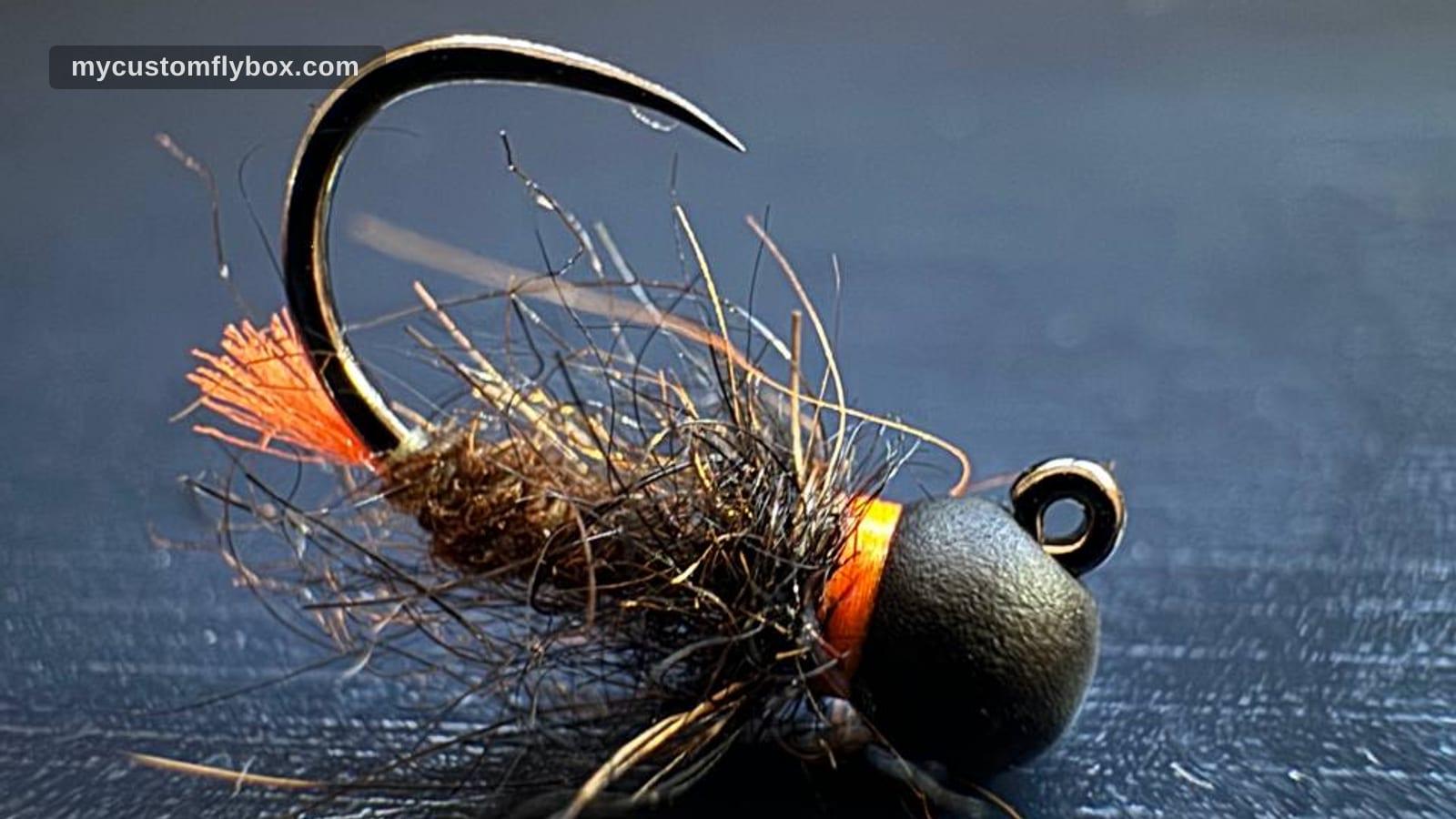
The Early Fall Fly Box for Catskills Trout
Early fall in the Catskills is not one clean season. It is late summer in the middle of the day, fall in the shade, and sometimes a little bit of October before breakfast. The trout know the difference. A brown tucked under a cut bank on the Beaverkill may ignore everything at noon, then slide into a riffle at dusk when the water drops a degree and small olives start to move. A Willowemoc fish that would not chase in August may eat a sparse Isonychia dry in broken water after the first cool rain.
That mix is what makes the early fall fly box worth planning. You do not need every fly in the catalog. You need enough range to cover clear low water, first pushes of rain, small mayflies, leftover caddis, ants and beetles, and the streamer window that opens when brown trout start acting like fall fish again.
This is a working box for Catskills trout from roughly Labor Day through the first stronger frosts. It fits the Beaverkill, Willowemoc, Neversink headwaters, Esopus edges when conditions allow, and the colder branches and tributary water tied into the Upper Delaware system. If you are checking current conditions before you leave, pair this fly list with the latest Beaverkill and Willowemoc fishing report or the West Branch Delaware report.
Start With Water, Not the Calendar
The biggest mistake in early fall is fishing the month instead of the river. September can give you 48-degree mornings and 80-degree afternoons. It can also give you a week of dry weather where the Beaverkill is skinny, clear, and spooky. On the other side, one cold rain can put color in the water and move trout back toward the banks.
Before picking flies, look at three things:
- Current flow compared with the normal range for that date
- Water temperature, especially after warm nights
- Weather trend over the next six to twelve hours
A USGS gauge does not tell you what fly to tie on, but it does tell you how carefully you need to fish. Low and clear water usually means longer leaders, smaller flies, duller clothing, and more time watching before casting. Rising water after rain may push fish into softer edges, seams, and bankside cover. A steady cool flow gives you the broadest playbook.
Water temperature matters just as much. Trout begin to struggle as temperatures approach the upper 60s. Many anglers use 68 degrees F as the line where catch-and-release trout fishing should stop or move to colder water. In early fall, that usually means fishing early, carrying a thermometer, and being willing to quit if a warm afternoon pushes a marginal stream too high.
The Dry Fly Side of the Box
Early fall dry-fly fishing in the Catskills is usually more technical than loud. There can be great surface fishing, but it often comes in windows: olives on damp days, Isonychias in riffles, flying ants after the right weather, caddis near evening, and small searching patterns in broken water.
Carry these in a separate row so you can find them quickly when heads show.
Blue-winged olives, 18-24
Small olives are the daily bread of a fall dry-fly box. You want a few profiles, not just one pattern. A parachute BWO helps when the water is choppy enough to hide a flush dun. A CDC comparadun or sparkle dun is better for slick glides and tailouts. A rusty or olive spinner in 20-24 can save an evening when fish are sipping so softly the rises look like raindrops.
On cloudy days, do not wait for a blanket hatch. Watch foam lines, inside bends, and slow seams below riffles. One rising fish is enough. Early fall trout have seen months of bad drifts, so a smaller fly with a clean float usually beats constant changing.
Isonychia dries and emergers, 10-14
Isonychias are one of the better reasons to love September in the Catskills. They are strong swimmers, often tied to riffles and faster seams, and trout may take the nymph, emerger, dun, or a skittered dry depending on the day.
Carry a slate drake or mahogany-style dry in 10-12, plus a lower floating emerger. In riffled water, a parachute or comparadun can be easier to track than a flush pattern. If fish are showing but not committing, grease only part of the leader and let an emerger sit low in the film.
Caddis, 14-18
Caddis do not disappear just because the calendar turns. Tan and olive caddis can still matter, especially in the evening. A simple Elk Hair Caddis, X-Caddis, and a soft-hackle swung just under the surface will cover most of it.
Do not overfish the dry if trout are not showing. In early fall, a caddis pupa or soft hackle through the riffle can be more honest than skating a dry over fish that are feeding below.
Ants, beetles, and small hoppers, 12-20
Terrestrials stay in the game until hard frost. Ants are the first choice on flat water. Beetles are easy meals along grassy banks and shaded edges. Small hoppers are worth carrying, but the Catskills are not always a big-foam-hopper place. Think modest: size 10-14, not western billboard flies unless the water is broken enough to justify them.
A black ant in 16-20 is one of the most useful flies in the early fall box. It can work during a true flying-ant event, but it also works as a quiet searching fly when trout are inspecting tiny food in calm water.
Nymphs for Low, Clear, and Changing Water
Nymph selection in early fall should be slim and deliberate. Low water asks for fewer split shot, thinner tippet, and flies that look alive without looking heavy. After rain, you can add weight and fish bigger food near the edges.
Small mayfly nymphs, 16-22
Pheasant Tails, olive perdigons, small Frenchies, and slim Baetis nymphs cover a lot of early fall feeding. If the water is clear, avoid bright oversized beads unless you need the weight. A dull copper, black nickel, or unweighted pheasant tail can be better on pressured fish.
Fish these below riffles, along bubble lines, and in the first soft water below faster current. In low water, one small nymph under a yarn indicator or dry fly may spook fewer fish than a heavy two-fly rig.
Isonychia nymphs, 10-14
An Isonychia nymph is not a generic small mayfly. It is darker, stronger, and more active. A dark pheasant tail, Zug Bug, Prince-style nymph, or specific Iso nymph in 10-14 belongs in the box. Swing it at the end of a dead drift in riffles and pocket water. That lift can imitate a swimming nymph and turn a following trout into an eating one.
Caddis pupa and soft hackles, 14-18
Tan, olive, and amber caddis pupa are useful whenever you see caddis adults or fish flashing below the surface. Soft hackles are even more versatile. A Partridge and Olive, Partridge and Orange, or small Hare's Ear soft hackle can be dead drifted, lifted, or swung.
Early fall is a good time to fish wet flies with patience. Cast quartering upstream, mend enough to let the fly sink, then follow it through the seam. At the end, let it rise. Many takes come when the fly starts to lift.
Streamers When the River Gives You Permission
Streamer fishing in early fall depends on water. In low, clear conditions, pounding the bank with a giant articulated fly usually does more educating than catching. After a cool rain, stained water, or a flow bump, streamers become a better choice.
Keep the streamer row simple:
- Olive Woolly Bugger, 6-10
- Black Woolly Bugger, 6-10
- Sculpin pattern, 4-8
- Small white or tan baitfish, 6-8
- Sparse marabou streamer, 6-10
For Catskills trout, do not overlook a small streamer. A size 8 black bugger swung through the tail of a pool can be more convincing than a six-inch fly crashing through clear water. If the river is up and carrying color, then work banks, woody edges, and soft inside seams. If the river is low, fish streamers at dawn, dusk, or under shade, and keep moving.
Brown trout start to get more territorial as fall builds, but early fall is not a license to harass spawning fish. If you see paired fish, cleaned gravel, or trout sitting on redds later in the season, leave them alone and fish somewhere else.
Leaders, Tippet, and Presentation
Early fall trout often punish sloppy setup more than wrong fly choice. Clear water and educated fish call for longer leaders, careful wading, and fewer false casts over the lie.
For dries, start with a 9-foot leader and add tippet if the water is flat. On small olives and ants, 5X and 6X are common choices, but do not go lighter just to say you did. If wind, faster water, or fish size calls for 5X, use it and make a better drift.
For nymphs, lighten the whole rig before you change flies five times. In skinny water, one small nymph and a subtle indicator may beat two flies, split shot, and a bright bobber. In deeper riffles, a short-line or tight-line approach lets you control depth without lining every fish in the pool.
For streamers, use enough leader strength to land fish quickly. Warm marginal water is not the time to play trout on fine tippet. If you are fishing a streamer because the river has cooled and colored up, 2X to 4X is usually more practical than fine dry-fly tippet.
A Practical Early Fall Catskills Box
If I were packing one small box for an early fall day, it would look like this:
Dries
- BWO parachute, 18-22
- BWO comparadun or sparkle dun, 18-22
- Rusty spinner, 18-24
- Isonychia parachute or comparadun, 10-14
- Elk Hair Caddis, tan and olive, 14-18
- X-Caddis, 14-18
- Black ant, 16-20
- Cinnamon ant, 16-20
- Foam beetle, 12-16
- Small hopper or cricket, 10-14
Nymphs and wets
- Pheasant Tail, 16-20
- Olive Baetis nymph, 18-22
- Hare's Ear, 14-18
- Isonychia nymph, 10-14
- Caddis pupa, tan and olive, 14-18
- Partridge and Olive soft hackle, 14-18
- Partridge and Orange soft hackle, 14-16
- Zebra Midge or small black nymph, 18-22
Streamers
- Olive Woolly Bugger, 6-10
- Black Woolly Bugger, 6-10
- Sculpin, olive or natural, 4-8
- Small white baitfish, 6-8
- Sparse marabou streamer, 6-10
That is enough to fish most early fall conditions without carrying three boat boxes into a small river. If you use the My Custom FlyBox app to organize boxes by water, this is a good place to make a "Catskills Early Fall" box and adjust it after each trip. If a certain stretch keeps giving you olives and ants, add more of those. If your home water fishes better with soft hackles than dries, let the box reflect that.
How to Fish the Day
A good early fall day often has three different plans.
In the morning, check water temperature and start where cold water, shade, and broken current meet. If the river is low, watch before wading. Trout may be close to the bank before the sun hits the water. A small ant, beetle, BWO nymph, or soft hackle can be enough.
By midday, slow down. If the sun is high and the water is clear, fish shade, riffles, and heavier cover. This is when a small nymph, caddis pupa, or careful terrestrial along the bank may outfish blind dry-fly casting. If the water temperature climbs toward the danger zone, stop trout fishing and look for colder water or another species.
Toward evening, be ready for the best dry-fly window. Olives, caddis, spinners, and ants can all matter. Do not rush into the pool when rises begin. Pick one fish, get below or beside it if you can, and make the first cast count.
Safety and Fish Care
Early fall is a transition season, and that makes it easy to misread both wading and fish stress.
A low river can still be slick with algae. A rain bump can turn familiar crossings pushy. Leaves in the drift can hide rocks, grab at your leader, and make footing worse than it looks. Use a staff if you need one, and do not cross just because you crossed there in June.
For trout care, carry a thermometer and use it. If the water is near 68 degrees F, do not keep fishing catch-and-release for trout. If it is comfortably cool, still land fish quickly, keep them wet, and avoid long photo sessions. Early fall fish have survived summer. Treat them like you want to meet them again in October.
Final Thought
The early fall Catskills box should be quiet, flexible, and honest. Small olives and ants for clear water. Isonychias and caddis for riffles. Slim nymphs and soft hackles for fish feeding just under the surface. A few modest streamers for rain, shade, and the first brown-trout edge of fall.
You do not need to guess your way through the season. Check the gauge, check the temperature, look at the water in front of you, and let the fly box serve the conditions instead of the other way around.
References
- U.S. Geological Survey, National Water Dashboard: real-time streamflow, water level, precipitation, and water-quality station data. https://www.usgs.gov/tools/national-water-dashboard-nwd
- NYS DEC summer trout guidance, summarized by Adirondack Explorer: trout can be under extreme stress in water warmer than 68 degrees F, and temperatures approaching 75 degrees F can be lethal. https://www.adirondackexplorer.org/environment/dec-give-trout-a-break-this-summer
- Hatch Magazine, "Trout and water temperature: How hot is too hot?" Used for general catch-and-release temperature context around the commonly cited 68 degrees F threshold. https://www.hatchmag.com/articles/trout-and-water-temperature-how-hot-too-hot/771553