The August Fly Box for Catskills Trout
By My Custom FlyBox Team
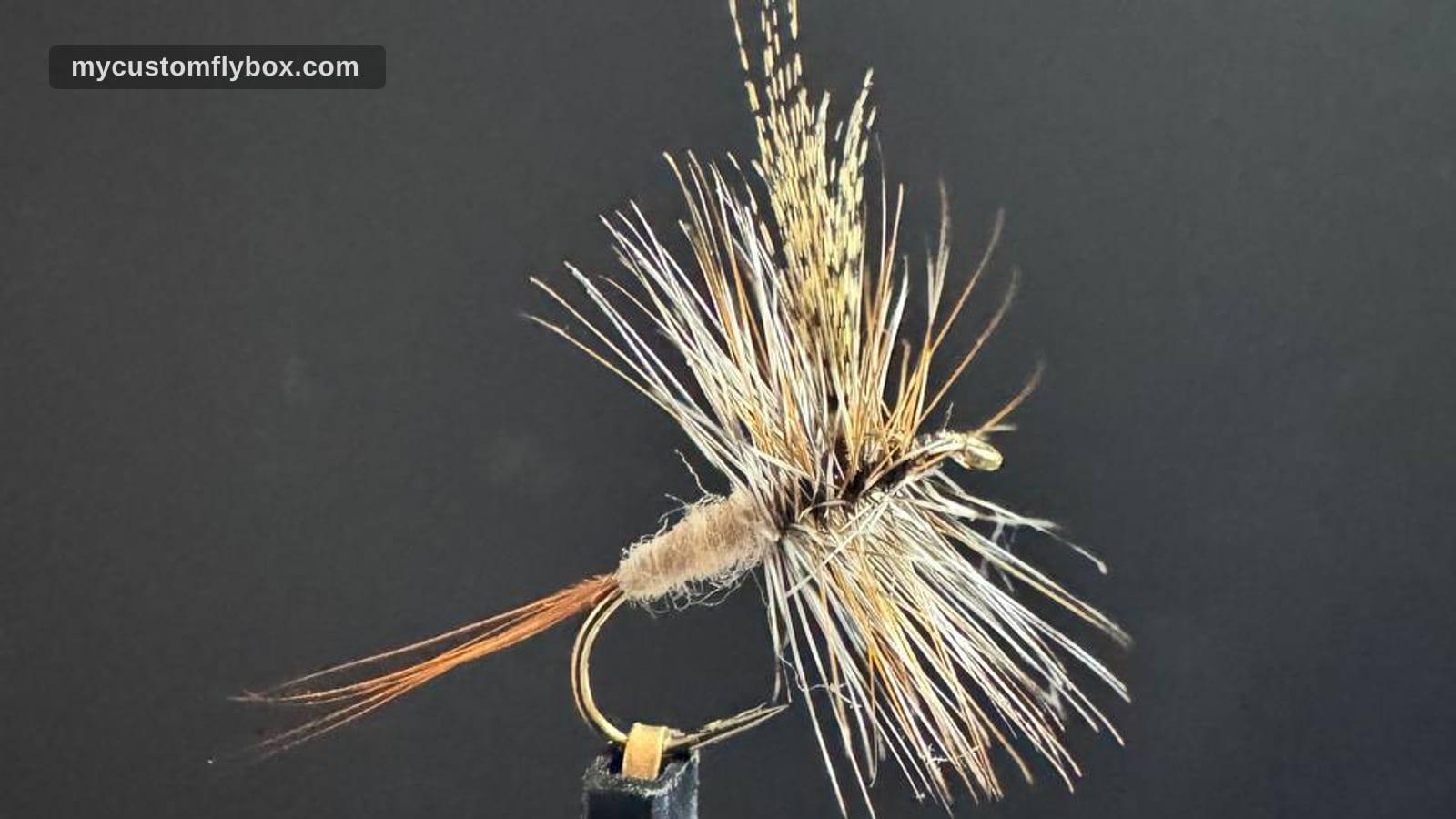
The August Fly Box for Catskills Trout
August is not a month for carrying the same trout box you carried in May. The Hendricksons are long gone, the big spring caddis flights are behind you, and many Catskills freestones are living on cool nights, shaded banks, and whatever rain the hills decide to give them. Trout can still be caught, and some days are better than the calendar suggests, but August asks for more judgment than enthusiasm.
On the Beaverkill and Willowemoc, the best fishing often comes in short windows. Dawn after a cool night can be worth the drive. A gray day after rain can put fish back into riffles that looked empty the week before. A hot, bright afternoon can be a good time to eat lunch, scout access, or fish for smallmouth instead of leaning on trout that are already short on oxygen.
The West Branch Delaware is different because cold reservoir releases can hold trout water through summer, especially closer to the dam. Different does not mean automatic. Tailwater temperature, release volume, tributary warmth, weed growth, boat traffic, and bright sun all matter. A smart August angler checks the gauge, carries a thermometer, and builds a fly box for narrow opportunities rather than all-day optimism.
If you are planning a same-day trip, check the current Beaverkill and Willowemoc report and the West Branch Delaware report before you leave. In August, the first fly choice is whether the water deserves to be fished at all.
Start With Temperature and Flow
The August fly box begins with a thermometer, not a fly. New York DEC warns that trout and salmon are coldwater fish and that stream temperatures above 70 degrees can put them under physical stress. DEC also advises catch-and-release anglers to avoid fishing heat-stressed trout and to fish early when stream temperatures are coolest. Many trout anglers use 68 degrees as the practical stop line for catch-and-release trout fishing, especially on freestones that continue warming through the day.
That number is not a magic switch. A shaded stream at 66 degrees and rising hard under a hot forecast is not the same as a tailwater at 66 degrees and stable under cloud cover. Brook trout, wild browns, stocked browns, and rainbows all have slightly different tolerances, and dissolved oxygen changes with current, spring influence, and depth. Still, an August rule should be simple enough to follow when you are standing in the river: if the water is near the upper 60s and climbing, stop targeting trout or move to colder water.
Flow matters almost as much. Low water concentrates fish, exposes them to predators, makes bad casts more damaging, and leaves fewer oxygenated lanes. High water after a storm can be a gift if it cools the river and adds color, but it can also make wading unsafe. The useful reading is not only the number on the USGS gauge. It is the trend. Rising water means caution. A hard drop after a muddy spike may give you a short streamer window. A flat, low line through a heat wave tells you to be conservative.
In August, check three things before opening the lid:
- The latest gauge trend for the reach you plan to fish.
- The water temperature where you are standing, not just at a gauge upstream.
- The next few hours of sun, air temperature, and shade.
If those three do not line up, the right fly box is the one you leave in the truck.
The Terrestrial Row
Terrestrials carry much of the August dry-fly work in the Catskills. Ants, beetles, inchworms, crickets, and small hoppers fall into the river every day, especially along meadow banks, brushy bends, campgrounds, pastures, and shaded edges where grass leans over the water. They are not a hatch in the mayfly sense. They are accidents, and trout understand accidents.
Start with black ants in sizes 16 and 18. A small ant is easy to overlook in the hand, but it lands with the right footprint and does not scare fish the way a big foam pattern can in low water. Fish it on a long leader along foam seams, soft inside edges, and the shady side of a riffle tongue. If the fish are looking up but refusing bigger flies, an ant is often the quiet answer.
Beetles belong beside the ants. Carry black or peacock-bodied beetles in sizes 12 through 16, with enough foam or deer hair to stay visible in broken water. A beetle is a good searching dry when there is no hatch and you have enough depth near the bank to hold trout. It also makes sense below overhanging trees, stone walls, and grassy ledges where a real beetle could plausibly hit the water.
Small hoppers and crickets deserve a few slots, but do not overbuild the box around big foam. On some western rivers, August can mean throwing large hoppers all day. On many Catskills trout streams, a size 8 foam hopper can look like a cork with legs. Carry tan and olive hoppers in sizes 10 through 14, and use them where they belong: choppy banks, pocket water, undercut grass, and faster seams where trout have less time to inspect.
A dry-dropper with a modest terrestrial can be useful on cool mornings. Keep the dropper light. A size 18 Pheasant Tail, small caddis pupa, or unweighted soft hackle two feet behind a beetle covers the fish that will not quite commit to the surface.
Small Mayflies for Tailwater Windows
August does not mean you can forget mayflies. On the West Branch Delaware and other cold tailwater reaches, small olives and late sulphur activity can still matter. The trick is to think smaller, lower, and cleaner than you did in spring.
Carry Blue Wing Olive patterns in sizes 18 through 24. That row should include more than one style. A high-floating parachute helps when you need to see the fly in riffled glare. A low comparadun or no-hackle style can be better over flat, suspicious fish. An emerger or floating nymph belongs in the box because many summer trout feed in the film rather than taking fully upright duns.
Sulphurs can remain relevant on cold Delaware water, but by August you should expect more technical fishing and fewer easy fish. Sizes 18 and 20 are often more useful than the bigger spring patterns. Carry duns, emergers, and spinners. The spinner stage matters because late-day fish may eat quietly in soft seams after you have already decided nothing is happening.
For freestones, keep a few Light Cahills or pale evening duns in sizes 14 through 18. They are not the backbone of the August box, but a cool, cloudy evening over broken water can surprise you. Carry enough variety to match a real event without pretending a full summer hatch is happening every night.
Caddis, Soft Hackles, and Swing Flies
Caddis stay useful because trout see them in riffles, pocket water, and dusk flights long after the famous mayflies are gone. Tan, olive, and dark caddis dries in sizes 14 through 18 are practical August patterns. An Elk Hair Caddis, X-Caddis, or CDC caddis can search broken water when the river is cold enough and there is no obvious mayfly work.
When trout flash and miss, or when you see caddis moving but not many clean rises, go subsurface. Soft hackles are tailor-made for this job. A Partridge and Orange, Partridge and Green, Hare's Ear soft hackle, or small Starling pattern in sizes 14 through 18 can be swung through riffle tails or lifted at the end of a drift. The motion suggests an emerging insect without requiring you to know the Latin name.
A caddis pupa row should be simple: green, tan, and amber bodies in sizes 14 through 18, with a few beadless versions for shallow water. Fish them before dusk, below riffles, or as droppers behind a dry. If you organize a physical box or a digital box in the My Custom FlyBox app, keep the dry caddis, pupae, and soft hackles close enough that a surface refusal naturally leads to the next choice.
Nymphs for Skinny Water
August nymphing should be lighter than spring nymphing. In low, clear water, heavy rigs often catch bottom, spook trout, and teach you very little. The better approach is to fish one or two small flies with just enough weight to reach the lane.
A practical August nymph row looks like this:
- Pheasant Tail, sizes 16 to 22.
- Hare's Ear, sizes 14 to 18.
- Walt's Worm or Sexy Walt's, sizes 14 to 18.
- Caddis pupa, sizes 14 to 18.
- Zebra Midge, sizes 18 to 24.
- Small Perdigon or slim mayfly nymph, sizes 16 to 20.
- Unweighted soft hackle, sizes 14 to 18.
The Pheasant Tail covers small mayflies and general summer nymphs. The Hare's Ear and Walt's Worm cover caddis, scuds in some water, and the sort of mixed bottom life trout eat when they are not showing. A Zebra Midge is not exciting, but on clear tailwater seams it can be the fly that keeps you honest.
Use thinner tippet when the water demands it, but do not make the whole rig fragile just to say you fished 6X. If you hook a trout in warm shoulder-season water, you need to land it quickly. Fine tippet, long fights, and warm temperatures are a bad combination.
Streamers After Rain or at First Light
Streamers still belong in the August box, but they are situational. Low, clear, warm water is not a reason to pound every bank with a big articulated fly. Cool, stained water after rain is different. So is first light on a tailwater edge, or a cloudy morning when trout can move without feeling exposed.
Carry small streamers first: black, olive, and white Woolly Buggers in sizes 6 through 10; slim sculpin patterns; small Zonkers; and a few sparse baitfish patterns. In August, the fly often needs to move naturally more than it needs to be large. Color follows clarity: black and olive for stain, natural olive, tan, and white for clearer water.
The safety note is simple: rain that helps temperature can hurt wading. The Beaverkill and Willowemoc can rise quickly after storms. Do not trade one problem for another by stepping into water that is too pushy because the streamer bite looks good.
A Simple August Box Layout
A good August Catskills box does not need to be crowded. It needs to be honest. Build it around decisions you will actually make on the river.
If you use My Custom FlyBox to organize patterns, August is a good month to build river-specific lists instead of one general trout box. A Beaverkill-Willowemoc August box should lean toward terrestrials, small caddis, light nymphs, and a few rainy-day streamers. A West Branch Delaware August box should carry more small olives, sulphur emergers, spinners, fine tippet choices, and technical dry-fly options.
When the Best Choice Is Not Trout
The most important August skill is knowing when to stop. If the water is too warm, trout do not need a better ant pattern. They need to be left alone. Fish early, take the temperature again after the sun gets up, and quit before the river tells you twice.
Plan B is part of the box. Smallmouth bass, panfish, tying flies, scouting access, checking gauges, or walking a shaded bank without a rod can all save a trout day from becoming a bad trout day. The angler who quits at the right time is not missing out. He is making sure there are fish worth coming back for in September.
August can still give you good Catskills trout fishing. It may be a single hour of olive sippers on the West Branch. It may be three browns along a shaded Willowemoc bank on beetles after a cool night. It may be one streamer fish when rain puts color into the Beaverkill. Build the box for those moments, check the water before you cast, and let the river decide how much fishing it can stand.
References
- New York State Department of Environmental Conservation, "Help Trout & Salmon Beat the Summer Heat" PDF: https://extapps.dec.ny.gov/docs/fish_marine_pdf/summertroutflyr.pdf
- New York State Department of Environmental Conservation, Neversink River Trout Fishing, water temperature and USGS gauge guidance: https://dec.ny.gov/places/neversink-river-trout-fishing
- USGS Water Data Blog, "Why we use gage height": https://waterdata.usgs.gov/blog/gage_height/
- Five Rivers Trout Unlimited, "Trout and Water Temperature": https://fiveriverstu.org/trout-and-water-temperature