How to Fish Trico Hatches for Trout
By My Custom FlyBox Team
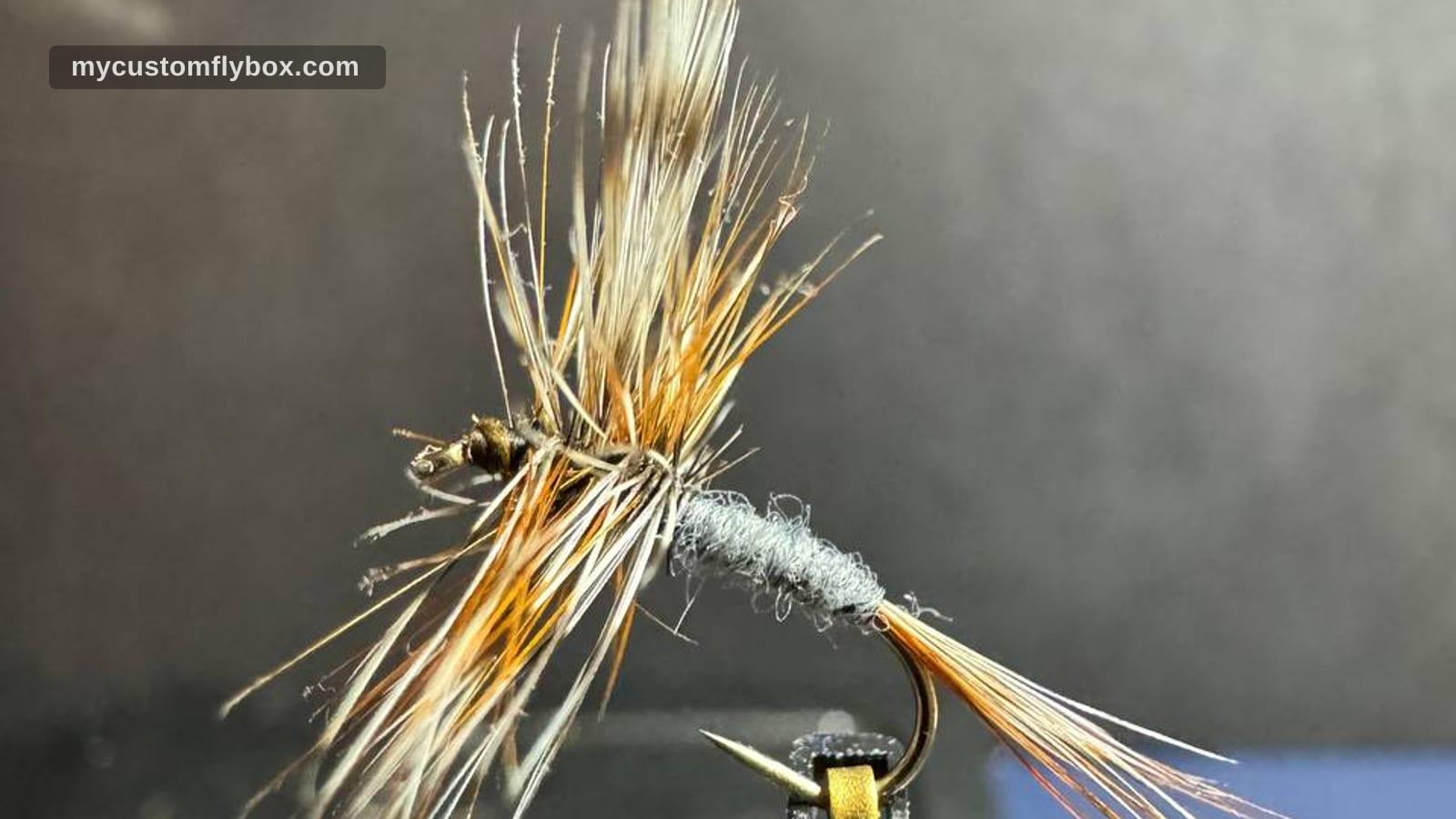
How to Fish Trico Hatches for Trout
A Trico hatch is not the kind of dry-fly fishing that forgives stomping into the tailout at eight-thirty with a bright leader, a size 14 Adams, and coffee still in your casting hand. It is small-fly fishing, usually in low summer water, often over trout that have had all season to learn the difference between a clean drift and a fly dragging a half-inch sideways.
It can also be one of the most honest hatches of the year. The fish tell you where they are. The rise forms keep repeating. The insects are tiny, but they are not mysterious. If you show up early, stay quiet, and carry the right box, a morning Trico fall can turn a flat pool into a map of feeding trout.
On rivers like the West Branch Delaware, the Beaverkill, the Willowemoc, Penns Creek, and many spring creeks, Tricos usually belong to the late-summer and early-fall part of the calendar. They are not the first hatch new anglers dream about. Hendricksons and March Browns get more attention because they are bigger and easier to see. Sulphurs get the evening crowd. But Tricos matter because they bring trout to the surface when much of the summer fishing has turned technical, warm, or inconsistent.
This is a practical way to approach them.
What Tricos Are and Why Trout Care
Tricos are small mayflies in the genus Tricorythodes. To the angler, the important part is simpler: they are little mayflies, commonly matched with size 20 to 24 flies, and trout often eat them as spent spinners in the morning. The hatch can run for weeks. On good rivers it may become part of the daily rhythm from midsummer into early fall.
A Trico morning usually has two pieces. Duns emerge first, depending on the river and weather. Spinners gather and fall later, often after the air warms and the morning settles. The spinner fall is what most anglers mean when they talk about fishing Tricos. The insects lie spent in the surface film with flat wings, and trout can feed on them with very little effort.
That is why a pod of trout may rise steadily in a slow run even though every individual bug looks too small to matter. One size 22 mayfly is not much food. Hundreds drifting through the same lane are different. Trout are good at counting calories without making it look like math.
The hard part is not convincing trout that Tricos are food. The hard part is making your fly look like one more helpless insect in a river already covered with naturals.
When to Be on the Water
For Trico fishing, early is not a virtue. It is the price of admission.
On many trout streams, you want to be rigged before the main spinner fall begins. That may mean standing on the bank while the water still looks quiet. Watch the air above riffles, eddies, and flat glides. You may see small white or gray specks above the water before the fish start. If you wait until every trout in the pool is already rising, you will spend the best part of the hatch tying knots with shaking hands.
Calm mornings are usually better than windy ones. Heavy wind scatters the spinners and makes long, fine leaders harder to control. A soft overcast can help by keeping trout comfortable near the surface. Bright sun is not a deal breaker, but it makes shade lines, careful positioning, and low-profile casting more important.
Temperature matters too. Late summer trout may already be close to their stress limit by midmorning, especially on freestone water. Carry a stream thermometer. If the water is approaching 68 degrees Fahrenheit, or if the river has been warm overnight and fish are already stressed, skip the trout fishing and look for colder water or another species. A spinner fall is not worth beating up trout that are short on oxygen.
For current river context in New York, check the latest Custom FlyBox reports for the West Branch Delaware and the Beaverkill-Willowemoc system before you go. Those pages are better for same-day flow, weather, and safety notes than a general hatch article can be.
Where Tricos Set Up on a River
Tricos make anglers stare at flat water, but do not ignore the riffles. The insects often come from broken water, and the spent flies collect in slower seams below. Start by looking at the lower end of riffles, soft inside seams, long flats, pool tails, and foam lines that gather tiny debris.
The best water is usually slow enough for trout to sip without burning energy but not so dead that your leader piles up and ruins every drift. A gentle walking-speed glide is about right. On a wider river, one lane may carry most of the bugs. If every rise is happening along one pale bubble seam, do not cast everywhere. Get into position for that lane.
Big trout in Trico water often sit in places that are easy to overlook: a slight depression in a tailout, the shadow side of a weed bed, the cushion below a shallow riffle lip, or the soft edge behind a midstream rock. They do not always move far. If you can identify one fish rising in rhythm, stay with that fish instead of chasing every ring in the pool.
On famous technical rivers, the fish that rise closest are not always the easiest. They may be in skinny water with every bad movement visible. Sometimes the better play is to work from downstream and across to a fish that gives you room for a longer drift, even if it is farther away.
Reading the Rise
A Trico rise can look like nothing. You may see only a dimple, a nose, a soft ring, or a tiny click in the surface. When trout are eating spent spinners, the rise is often steady and deliberate. They do not have to chase. They slide up, sip, and settle back.
Watch before you cast. Pick one trout and count the rhythm. If it rises every six to ten seconds in the same lane, you have a target. If a fish rises once and disappears, leave it alone until it shows again. Casting blindly into a pod of Trico feeders usually lines fish, drags flies over heads, and turns a calm pool into a quiet pool.
The rise form also tells you something about depth. A nose and ring in flat water often means the fish is eating right in the film. A back or tail showing may mean the fish is tipping down after taking something just below the surface. If trout refuse a high-floating spinner but keep rising, try a drowned spinner or a small unweighted nymph just under the film.
Do not assume every rise is to a Trico. Late summer water also carries ants, beetles, midges, tiny olives, and drowned terrestrials. If your perfect size 22 spinner gets ignored ten times, the fish may be eating something else or your drift may not be perfect. Both are common.
The Trico Fly Box
A good Trico box is small but deliberate. You do not need fifty patterns. You need enough options to solve visibility, profile, and depth.
Carry these in sizes 20, 22, and 24 where you can fish them confidently:
- Trico spinner, white or clear wing, black or dark abdomen
- Female spinner with a slightly lighter body where local bugs call for it
- Parachute Trico or indicator-wing Trico for broken light
- CDC Trico dun for fish taking emergers or duns
- Drowned Trico spinner for fish eating just under the surface
- Tiny black or olive comparadun for a sparse upright-wing look
- Small flying ant, sizes 16 to 20
- Beetle, sizes 14 to 18, for a change-up when fish keep looking up after the fall
- Tiny olive or black midge cluster for mixed surface feeding
The change-up flies matter. Some mornings the hatch is so thick that your exact imitation is one of ten thousand. A small ant or beetle drifted through the same lane can stand out while still looking like summer food. This is not a trick to throw first when trout are locked on spinners, but it is worth trying when exact matches keep disappearing in the crowd.
For a river-specific box, keep Tricos separate from general dries. Tiny dries get crushed when they ride beside big foam flies and Stimulators. Use a flat compartment or slit foam that will not mash hackle and wings. If you use the My Custom FlyBox app to organize boxes, this is a good place to build a late-summer dry-fly list by river: Tricos and terrestrials for the West Branch, mixed small dries and ants for the Catskills, or spring-creek spinners and midges for limestone water.
Leaders, Tippet, and Rigging
Trico fishing exposes sloppy rigging. A short leader and heavy tippet may work in riffled pocket water, but it will cost you fish on a flat pool.
A good starting point is a 10- to 12-foot leader ending in 6X. On very calm, clear water, 7X may be needed, but do not make fine tippet a badge of honor. Use the strongest tippet that still gets natural drifts and takes. Fine tippet protects small flies and improves drift, but it also lengthens fights and gives you less control around weeds, rocks, and wood.
If you struggle to see a size 22 spinner, do not keep guessing. Tie a more visible lead fly and trail the Trico 14 to 20 inches behind it, or use a small indicator-wing pattern that you can track. Another good trick is to watch the fish and the lane rather than the fly. If the trout rises where your fly should be, lift gently. Do not trout-set like you are fishing streamers on a bank.
Use a reach cast, a downstream slack cast, or a soft pile cast depending on position. The goal is not distance. The goal is a drift that enters the fish's window before the leader does anything unnatural. In Trico water, drag measured in inches is still drag.
Presentation Comes Before Pattern
Most Trico refusals are presentation refusals. The fly may be close enough, but the leader pulls it, the tippet flashes, the cast lands too hard, or the fly crosses the fish at the wrong angle.
Approach from downstream when possible. Keep the sun and your shadow in mind. Stay out of the water if the bank gives you a clean angle. If you must wade, move like the pool is made of glass. Late-summer trout in low water feel pressure through the riverbed and see wakes from careless steps.
Make fewer casts. That is hard advice to follow when fish are rising everywhere, but it is the difference between fishing and flailing. Dry the fly, check the tippet, make one clean cast, and let it drift. If it misses the lane, let it finish. Ripping a fly off the water over feeding trout does more harm than waiting three seconds.
When you hook a trout, steer it away from the pod if you can. A fish cartwheeling through the lane will put others down. Land it quickly, keep it wet, and release it without turning the whole pool into a wading demonstration.
Warm Water and Late-Summer Responsibility
Trico season overlaps with the part of the year when trout need the most care. Low flows, warm nights, and bright afternoons can stack stress on fish even when the morning hatch looks good.
This is where a thermometer belongs in the same pocket as your floatant. Check water temperature before you start and again as the morning warms. Tailwaters and spring creeks may stay cold enough to fish responsibly. Freestones may not. If the water is too warm, do not look for an excuse. Stop trout fishing.
Also pay attention to flow. Low, clear water concentrates fish and makes them easier to overpressure. High or rising water after thunderstorms can bring turbidity, debris, and unsafe wading. A Trico article cannot replace current conditions. Use USGS gauges, local reports, and your own eyes.
There is no shame in quitting early. Some of the best late-summer anglers fish from first light until the water or the fish tell them to stop, then go eat breakfast.
A Simple Morning Plan
If you are new to Tricos, keep the plan simple.
Arrive early and rig before the rise starts. Start with a 12-foot leader to 6X and a size 22 spinner or visible parachute Trico. Watch the water for ten minutes before casting. Pick one fish. Get below or downstream-and-across. Make one good drift over the fish's feeding lane. If the fish refuses or ignores the fly three times with good drifts, change something small: lengthen tippet, switch to a lower-riding spinner, try a drowned spinner, or rest the fish and choose another.
When the main fall fades, do not leave too fast. Trout that fed hard on Tricos often keep looking up. A size 16 ant, a beetle along a shaded bank, or a small olive in a riffle can pick up fish after the tiny mayflies are gone. This is when the day often becomes less technical and more like normal summer fishing.
Common Mistakes
The first mistake is arriving late. The second is fishing too heavy. The third is casting at rises instead of fish.
Another common mistake is changing flies after every refusal. If your fly is close and your drift is bad, a new fly will not fix it. Watch the leader. Watch the current between you and the fish. If the fly twitches, skates, or speeds up, solve the drift before opening the box.
Finally, do not fish Tricos with only one pattern. A flush-floating spinner, a more visible parachute, and a drowned spinner can each be the right answer on the same morning. The difference is not magic. It is where the trout are taking the bug: on top, in the film, or just under it.
Final Thoughts
Trico fishing rewards anglers who slow down. It asks you to observe first, cast second, and admit when the trout or the water temperature have the final say. That is part of why it is good fishing. The bugs are small, the tippet is fine, and the best trout in the pool may give you only a few honest chances.
Build the box before the season gets here: spinners, duns, drowned spinners, ants, beetles, and enough duplicates that one tree limb does not end your morning. Then keep the river report and the thermometer in front of you. When the conditions line up, a Trico fall can make late summer feel less like a waiting game and more like a test you are glad to take.
References
- Orvis, "Tom Rosenbauer's Favorite Trico Patterns," for general Trico timing, size range, and spinner-fall behavior: https://howtoflyfish.orvis.com/how-to-articles/trout-fishing-articles/tom-rosenbauers-favorite-trico-patterns
- Penn State Extension, "Water Quality Concerns for Ponds," for the general relationship between warmer water and reduced dissolved oxygen: https://extension.psu.edu/water-quality-concerns-for-ponds
- My Custom FlyBox West Branch Delaware reports: /flyfishing-reports/new-york/upper-delaware/west-branch-delaware
- My Custom FlyBox Beaverkill-Willowemoc reports: /flyfishing-reports/new-york/catskills/beaverkill-willowemoc